
Where the Ajanta Caves Are Located
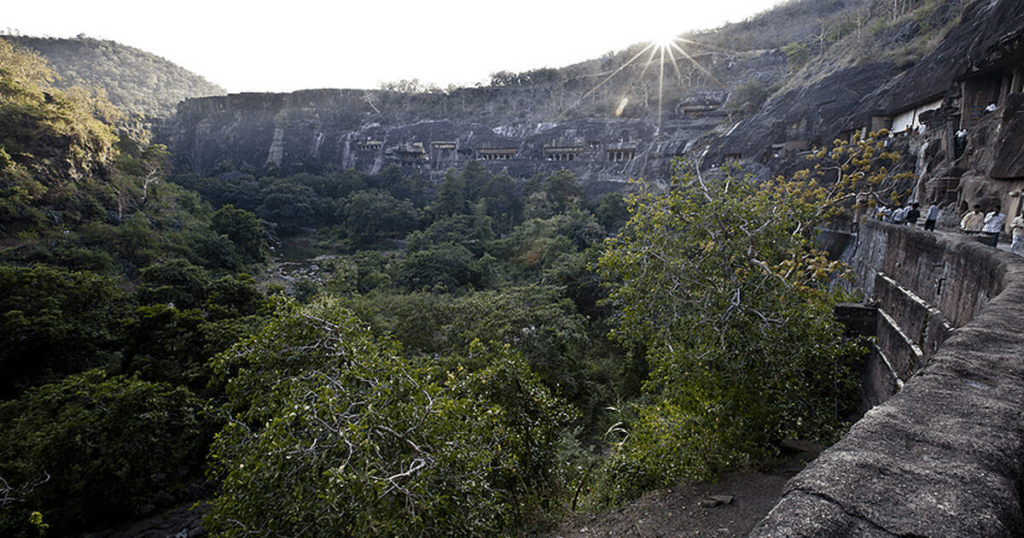
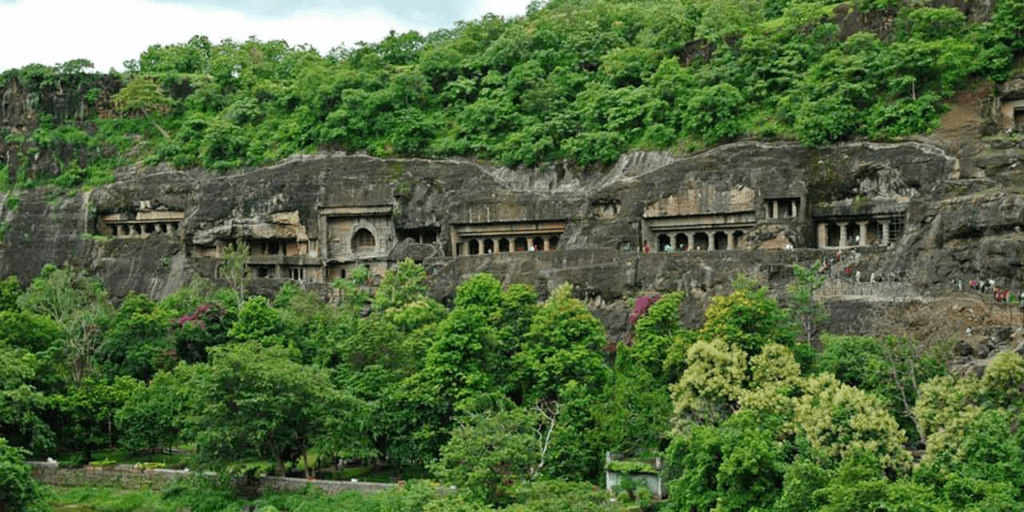
The ajanta caves are carved into a dramatic horseshoe-shaped cliff overlooking the Waghora river in present-day Maharashtra. For many Indian travelers, the first question is simple: अजंता की गुफा कहा है? The answer places them about 107 kilometers north of Aurangabad, near a small village that gave the caves their name.
This secluded valley was not chosen by chance. The natural curve of the rock wall rises nearly 76 meters, creating a quiet enclosure. During the monsoon months, Buddhist monks withdrew here for study and meditation. Silence, water, and stone formed a natural classroom. Even today, the setting feels deliberately removed from the noise of daily life.
Ajanta is often mentioned together with ajanta ellora caves or ajanta and ellora caves, yet Ajanta stands apart for one reason above all others: painting.
Rediscovery and Global Recognition
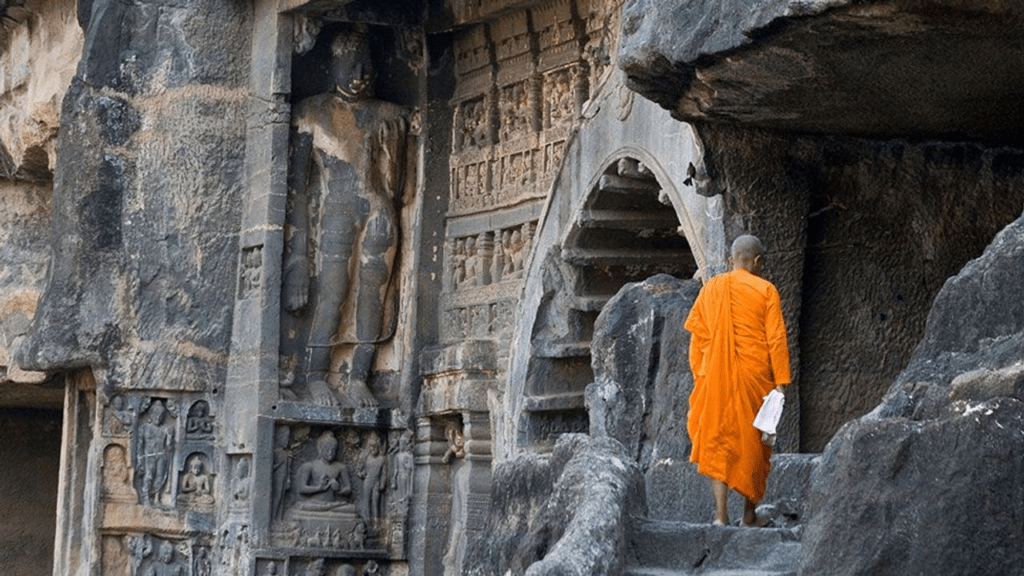
For centuries, Ajanta faded from memory. Dense forest covered the paths, and access stairways crumbled. In 1819, a British army officer stumbled upon the caves during a hunting expedition. That moment changed the history of Indian art studies.
The discovery spread quickly across scholarly circles. Artists, historians, and administrators recognized that the murals inside Ajanta were not decorative remnants but a complete visual archive of ancient India. Over time, Ajanta became central to discussions about ajantha ellora caves and the development of Buddhist art across the subcontinent.
Recognition followed preservation. Ajanta was later acknowledged globally for its cultural value, securing its place as one of the most studied rock-cut complexes in the world.
Natural Setting and Purpose of the Caves
Ajanta was never a city. It functioned as a retreat. The curve of the cliff shelters the caves from harsh winds while allowing light to enter at specific angles. The Waghora stream below provided water, while the elevation offered isolation.
This environment supported three key purposes:
- Seasonal residence during monsoon months
- Spaces for teaching, debate, and copying manuscripts
- Ritual practice centered on Buddhist worship
The physical setting explains why monks could remain here for long periods without external support. The land itself was part of the spiritual design.
Types of Caves and Architectural Layout
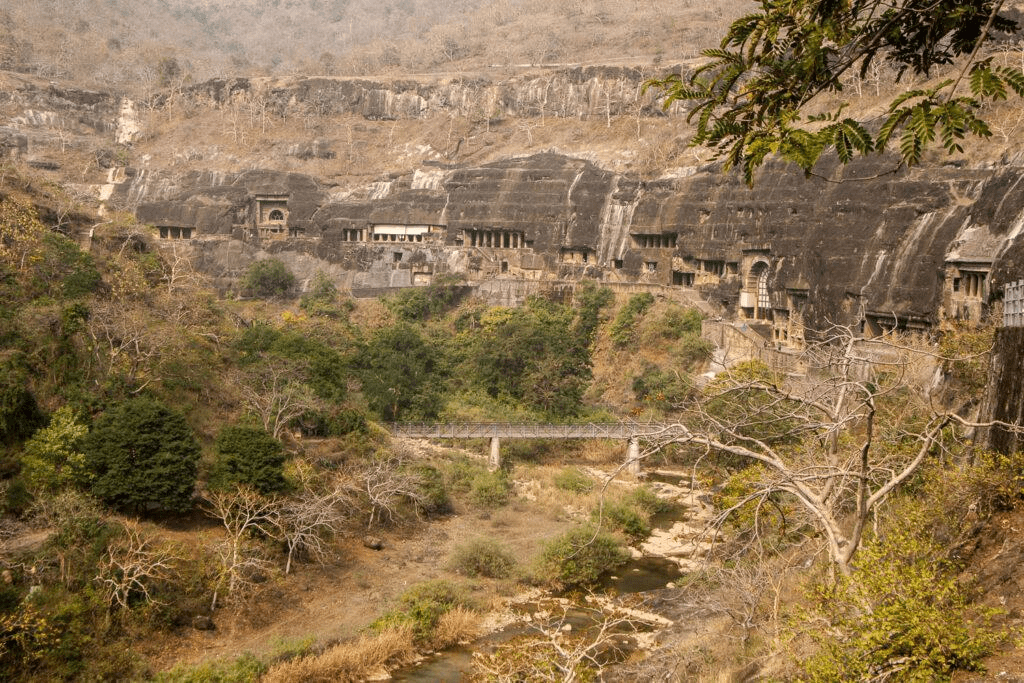
In total, Ajanta consists of 30 rock-cut excavations, including one unfinished cave. These are not random chambers but carefully planned religious spaces.
They fall into two main architectural categories:
- Chaityagrihas, or prayer halls
- Viharas, or monastic residences
Among these, five caves function as chaityagrihas, while the rest served as viharas. Each cave once connected to the river by stone steps, most of which have disappeared with time. Traces remain, reminding visitors that Ajanta was once a fully integrated living complex.
Early Phase: Hinayana Tradition
The earliest phase of excavation dates back to the 2nd century BCE and aligns with the Hinayana form of Buddhism. Caves 9 and 10, both chaityagrihas, belong to this period, along with viharas such as 8, 12, 13, and 15A.
During this phase:
- The stupa served as the primary object of worship
- Buddha was represented symbolically rather than in human form
- Architectural details imitated wooden construction
Stone beams, rafters, and ribs were carved to resemble timber, even though they carried no structural load. This imitation reveals a transition period when builders were adapting earlier wooden traditions to permanent rock architecture.
Later Phase: Vakataka Patronage
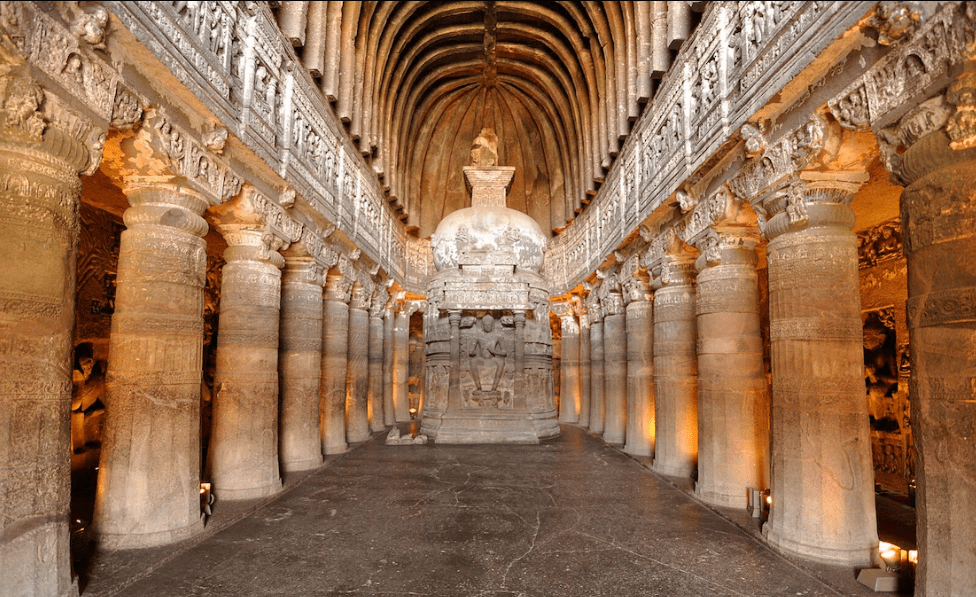
Activity at Ajanta resumed several centuries later under the Vakataka dynasty, contemporaries of the Imperial Guptas. This second phase, from the mid-5th to mid-6th century CE, transformed the site.
Royal officials and feudatories sponsored new caves. Inscriptions identify donors and link Ajanta to broader political networks. Cave 16 was dedicated by Varahadeva, a minister of King Harishena, while Cave 17 was gifted by a prince allied to the same ruler.
This phase introduced two major shifts:
- Buddha images became central to worship
- Cave layouts grew more complex and spacious
A later inscription in Cave 26 suggests limited use even during the 8th and 9th centuries, though large-scale activity had already declined.
Ajanta Caves Paintings: Two Artistic Phases
The fame of Ajanta rests largely on its murals, often described as the famous ajanta ellora paintings, though Ajanta’s works stand independently in style and depth.
The earliest paintings survive as fragments in Caves 9 and 10. Dating to the 2nd century BCE, they share visual features with reliefs at Sanchi and Bharhut.
The second and richer phase appears in Caves 1, 2, 16, and 17. These murals depict:
- Jataka tales narrating Buddha’s past lives
- Key moments from Buddha’s life
- Courtly scenes, social customs, and daily activities
Facial expressions, posture, and gesture convey emotion with remarkable subtlety. Even ceilings were treated as narrative surfaces, filled with floral and geometric patterns.
Materials and Painting Technique
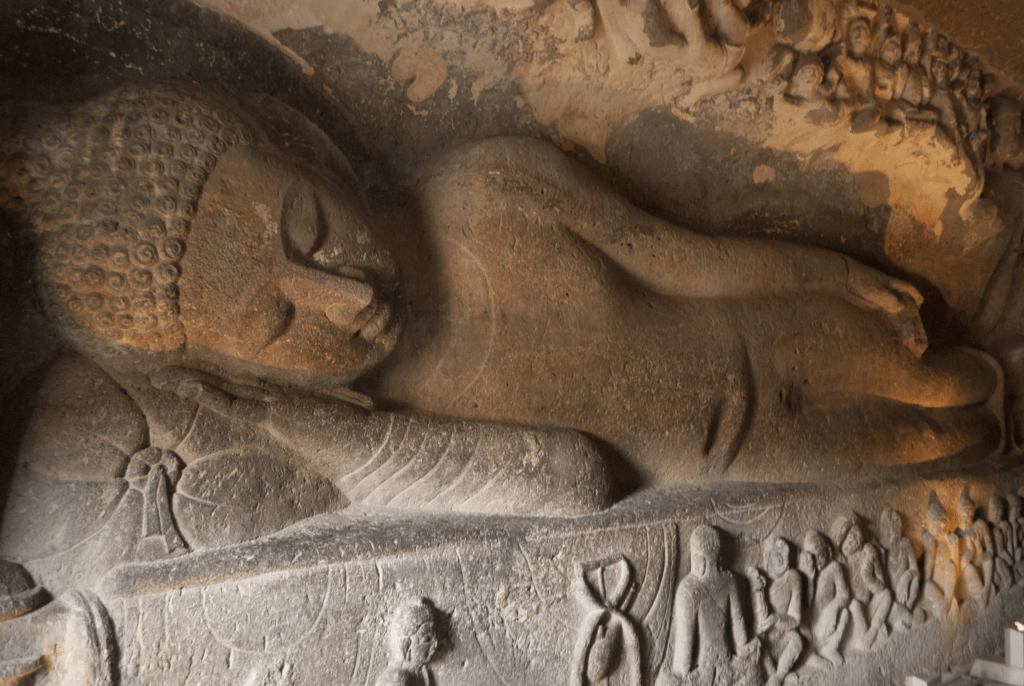
Ajanta paintings are not frescoes. They were created using a complex, layered process that required careful preparation of the rock surface.
The method involved:
- Roughening the rock with chisel marks
- Applying a coarse ground layer mixed with sand, fibers, and organic material
- Adding a finer layer of mud and mineral powder
- Finishing with a thin lime wash
Artists then drew bold outlines and filled them with mineral-based colors such as red ochre, yellow ochre, lamp black, gypsum, and lapis lazuli. A glue-based binder held pigments in place. This technique allowed depth, shading, and rounded forms rarely matched in later periods.
Do these walls feel painted, or do they feel alive?
Ajanta Caves Timings and Visitor Planning
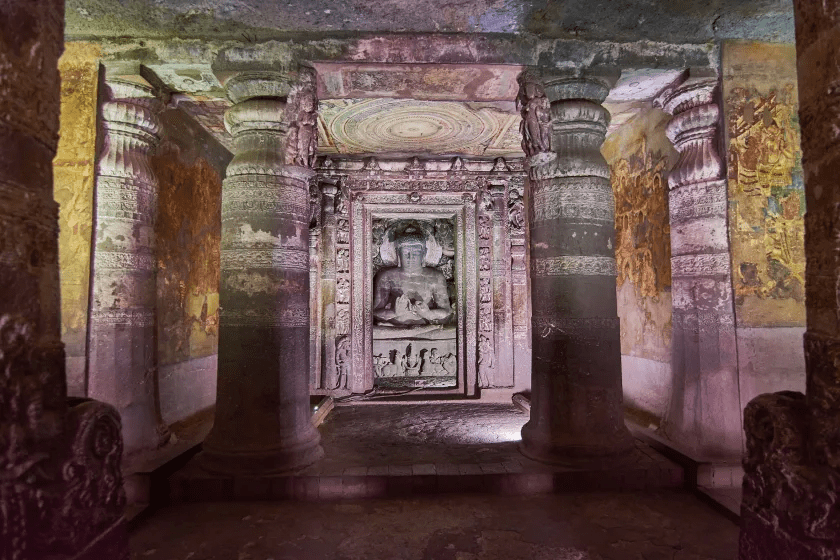
Understanding ajanta caves timings helps visitors experience the site without rush. Early hours offer softer light and fewer crowds, allowing the murals to be seen clearly.
For practical planning, visitors usually consider tickets, access routes, and seasonal conditions before arrival.
Ajanta Caves Tickets Overview
| Category | Details |
| Location | Near Ajanta village, Maharashtra |
| Total Caves | 30 rock-cut excavations |
| Main Periods | 2nd century BCE to 6th century CE |
| Art Focus | Buddhist murals and sculpture |
| ajanta caves tickets | Available at entry point |
| ajanta caves timings | Morning to evening access |
| Local Name | अजिंठा लेणी |
Highlights of Ajanta
Among the 30 caves, a few stand out for their historical, artistic, and emotional power. For travelers short on time, here are the must-see highlights.
Cave 1: A Visual Masterpiece
- Rich murals featuring Bodhisattvas Padmapani and Vajrapani
- Scenes from royal life with detailed jewelry and clothing
- Ceilings adorned with lotus motifs and floral mandalas
Cave 2: Harmonious Design
- Narratives from Jataka tales along walls and pillars
- Emphasis on feminine figures, grace, and domestic scenes
- Intricate ceiling artwork that rivals temple architecture
Cave 16 and 17: Royal Patronage in Stone
- Donated by Vakataka elites
- Cave 16 houses elaborate scenes from Buddha’s life
- Cave 17’s narrative sequence shows vivid storytelling techniques
Each cave has a mood. Some are quiet and meditative, others dynamic and expressive. Walking through them is like entering different chapters of a grand narrative.
Challenges in Preservation
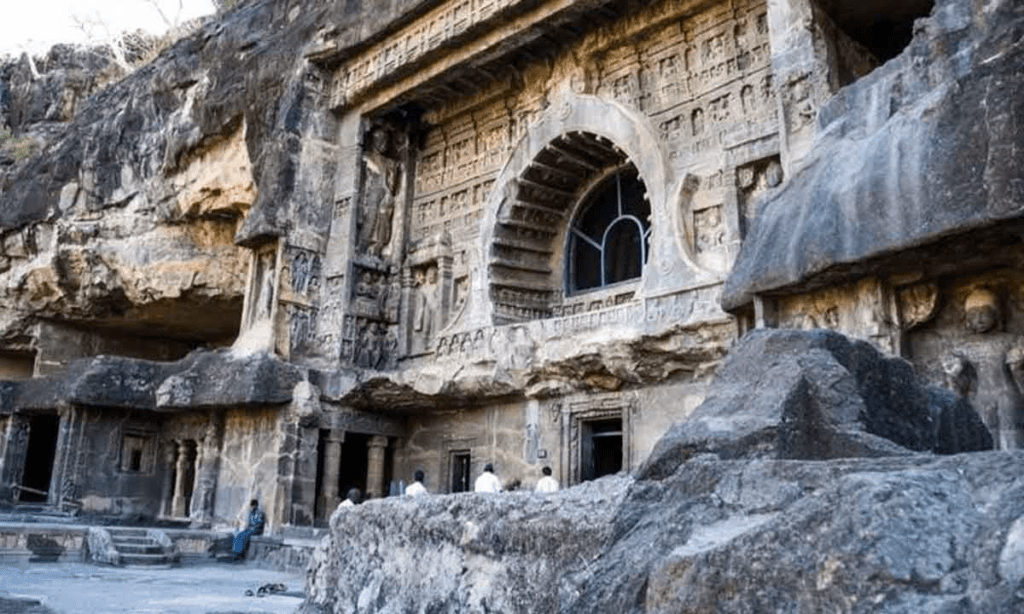
Despite decades of protection, the ajanta caves face multiple threats today.
Environmental Damage
- Humidity and temperature fluctuations damage pigments
- Occasional water seepage from monsoon rains
- Natural erosion of the rock face
Human Impact
- Tourist footfall increases risk of physical wear
- Flash photography can degrade murals
- Unauthorized touching or graffiti marks surfaces
Preservation requires ongoing effort, strict visitor control, and climate monitoring inside the caves. Future access may become more restricted, making now the right time to visit.
Ajanta vs Ellora: Key Differences
People often ask: “What’s the difference between Ajanta and Ellora?” Though close in location, the two offer very different experiences.
Comparison Table
| Feature | Ajanta Caves | Ellora Caves |
| Main Theme | Buddhist | Hindu, Buddhist, Jain |
| Time Period | 2nd century BCE – 6th century CE | 6th – 10th century CE |
| Art Style | Murals and sculpture | Rock-cut architecture and sculpture |
| Famous For | Paintings, Jataka stories | Kailasa Temple (Cave 16) |
| Spiritual Ambience | Meditative and secluded | Monumental and celebratory |
For those planning a complete heritage trip in Maharashtra, visiting both is ideal. Together, they tell the broader story of Indian spirituality, kingship, and craft.
Cultural Importance in India Today
The influence of Ajanta continues in multiple spheres of Indian life.
In Education
- Featured in history curricula across schools and universities
- Subject of academic theses and art programs
In National Identity
- Appears in postage stamps and government campaigns
- Celebrated as a symbol of classical Indian aesthetics
In Tourism
- Recognized as a must-visit cultural site
- Draws both domestic and international travelers
Even Bollywood and Indian literature have referenced Ajanta as a metaphor for lost beauty, deep wisdom, or inner retreat.
How to Reach Ajanta Caves
Planning a visit? Here’s how you can get there efficiently.
Transportation Options
- By Air: Nearest airport is Aurangabad (about 100 km away)
- By Train: Jalgaon is the nearest major railway station (60 km)
- By Road: Well-connected by state highways to Aurangabad and Jalgaon
Once near, local buses and taxis can take you to the visitor entrance, where a shuttle bus carries tourists to the actual cave site.
Tips for Visitors
A trip to अजिंठा लेणी is unforgettable if planned right.
Recommendations
- Arrive early in the day for better light and lower crowd density
- Avoid visiting during peak summer months (April–June) due to heat
- Hire an official guide to understand the stories behind each mural
- Carry water, but avoid plastic littering
- Wear walking shoes — there’s a bit of climbing involved
Respect the silence inside the caves — you’re stepping into centuries of devotion carved in stone.
Why Ajanta Still Captivates
The ajanta caves are more than tourist attractions. They are living archives of devotion, imagination, and craftsmanship.
From their stunning setting to the layered painting techniques and profound narrative art, they remain among the finest human achievements in visual storytelling.
Whether you come for the history, the art, or the spiritual quiet, Ajanta offers something no other place can: a moment where stone becomes story, and silence speaks.
Quick Facts About Ajanta Caves
| Feature | Details |
| Region | Maharashtra, India |
| Nearest City | Aurangabad |
| Time Period | 2nd BCE – 6th CE (main phase) |
| Religion | Buddhism |
| Key Highlights | Murals, Viharas, Chaityas, Jataka stories |
| Recognized As | UNESCO World Heritage Site (since 1983) |
| Ideal Visiting Time | November – February |
| Visitor Access | Daily (except national holidays) |
| Ticket Availability | On-site, via ASI-approved counters |
| Known In Marathi As | अजिंठा लेणी |