
Origins of Gambling in Ancient India
Long before modern casinos or online rummy apps, gambling in India was woven into the fabric of daily life, mythology, and statecraft. The history of gambling in India is both ancient and layered, with roots deep in the Vedic period.
Mahabharata and the Dice Game
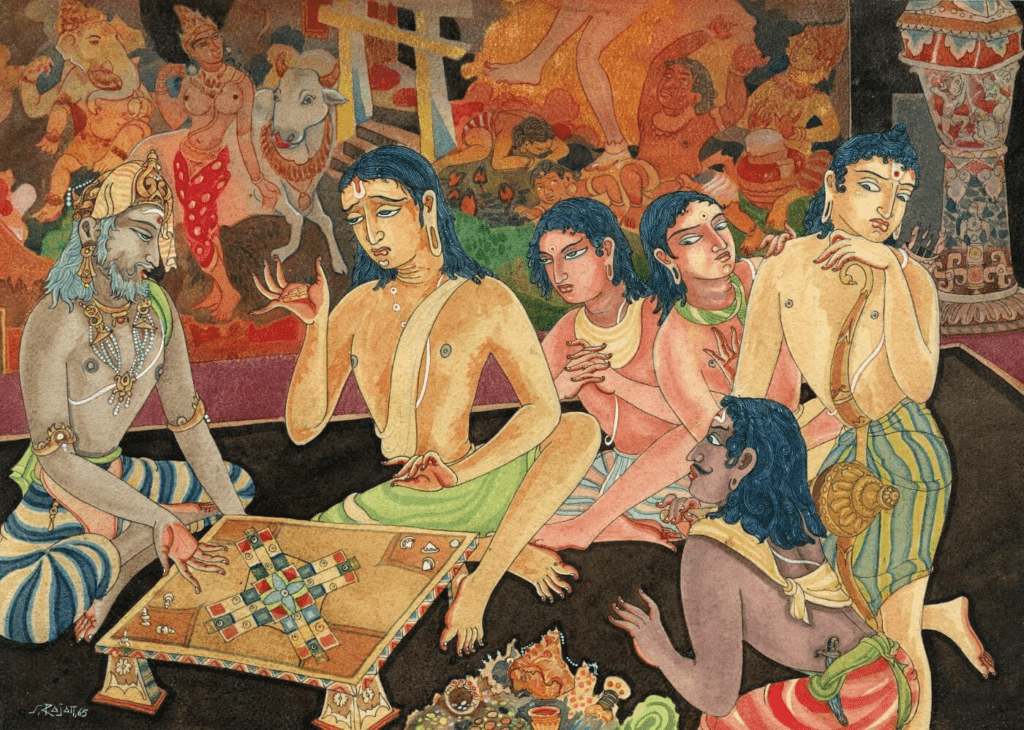
The first iconic reference comes from the Mahabharata, where Prince Yudhishthira loses everything—his kingdom, brothers, and wife—over a game of dice with Shakuni. This tale, symbolic and tragic, reflects how gambling was not only practiced but culturally acknowledged as a powerful force.
Archaeological and Textual Evidence
- Mohenjo-daro and Harappa: Cubic dice and gaming tokens discovered
- Vedic Texts: Rigveda and Atharvaveda mention games of chance
- Dharmaśāstra Texts: Laws of Manu describe gambling as a vice but tolerated under state supervision
- Nārada-smṛti: Recommends that kings regulate gambling to collect taxes and prevent cheating
Was gambling viewed as sin or statecraft? The answer lies in the balance: social danger, but economic utility.
Gambling in Classical India (Maurya to Gupta)
As Indian empires formed structured states, gambling shifted from myth to administration.
Mauryan Empire and Arthashastra
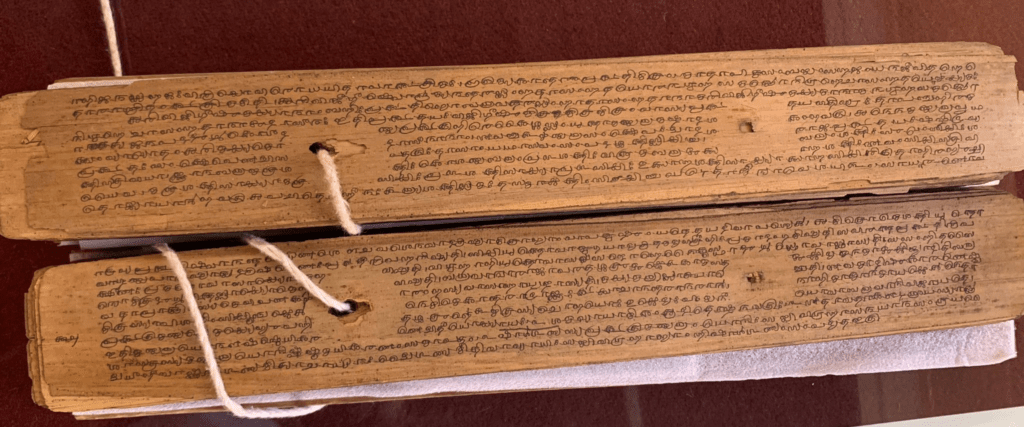
Chanakya’s Arthashastra (c. 3rd century BCE) gave detailed rules:
- Gambling houses were legal but licensed
- State-appointed superintendents monitored and taxed activity
- Cheating was punishable by fine or corporal punishment
This reveals the Mauryans treated gambling as a regulated industry, not a crime.
Gupta Era
The Guptas (c. 4th–6th century CE), often seen as India’s classical golden age, allowed courtly games and dice contests. Scenes of gambling appear in temple reliefs and cave paintings—suggesting a shift from public vice to elite pastime.
Medieval Period: New Rules, Same Games
During the Delhi Sultanate and Mughal periods (12th–18th century), gambling evolved under Islamic influence.
Chausar and Court Games

The game chausar—an ancestor of modern Ludo—was played in royal courts, especially under Akbar. Despite Islam’s prohibition of gambling, Mughal rulers often participated in controlled entertainment.
Private betting, animal fights, and board games persisted, even as religious leaders discouraged them.
Sharia and Public Morality
Islamic jurisprudence considered gambling (maisir) haram (forbidden), but enforcement varied. While public gambling was discouraged, elite circles maintained personal liberties.
Gambling in Colonial India: British Laws and Bans
When the British arrived, they found gambling deeply embedded in Indian society—but they viewed it through the lens of Victorian morality.
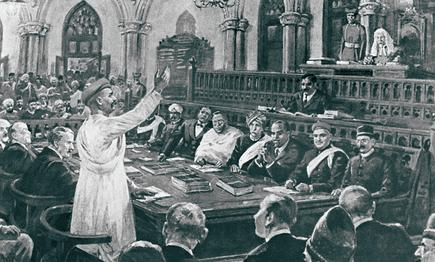
Legal Turning Point: Public Gambling Act, 1867
This law became—and still remains—the cornerstone of Indian gambling policy. It:
- Criminalized owning or visiting a gambling house
- Made all public gambling illegal, except horse racing
- Defined no clear distinction between “chance” and “skill”
The law still applies in most Indian states. It was less about Indian values, more about British social reform and control.
Racetracks and Imperial Exceptions
Interestingly, horse racing was allowed and encouraged. The British set up turf clubs in Bombay, Calcutta, and Madras. Betting on races was legal—highlighting colonial double standards.
Did this mark the start of India’s legal confusion around gambling?
Gambling in Post-Independence India (1947–1990s)
After 1947, India retained the Public Gambling Act but allowed states to interpret and amend it. This created a divided regulatory map.
Legal Lotteries and Exceptions
- Kerala launched the first state-run lottery in 1967
- By the 1980s, over a dozen states operated government lotteries
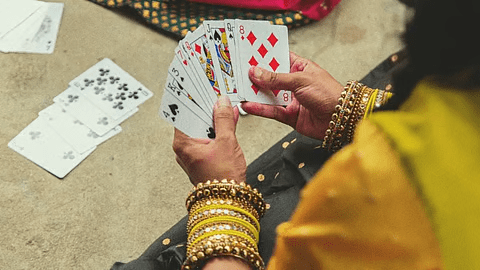
- Some states allowed small-stake games during festivals (like Matka or teen patti)
Still, most gambling remained in a legal grey zone—neither fully allowed nor forcefully banned.
Casino Laws: First Breakthrough
- Goa (1996) became the first state to legalize onshore casinos
- Sikkim (2008) followed, issuing licenses for online gambling
- Nagaland (2016) recognized poker, rummy, and fantasy sports as games of skill
This marked the start of India’s gradual shift toward regulated gambling.
Timeline of Gambling Evolution in India
| Period | Key Developments |
| Vedic (1500 BCE) | Dice games in texts like Mahabharata |
| Maurya (300 BCE) | Arthashastra regulates gambling and taxation |
| Gupta (400–600 CE) | Gambling seen in art; part of royal leisure |
| Mughal Era | Chausar, private betting, selective bans |
| 1867 | British enact Public Gambling Act |
| 1967 | Kerala launches state lottery |
| 1996–2016 | Goa, Sikkim, Nagaland legalize/regulate gambling forms |
| 2020s | Explosion of online gambling apps and legal battles |
21st Century Shift: The Digital Gambling Boom

With the rise of smartphones and cheap internet, gambling entered a new era—one unimagined by ancient lawmakers or colonial administrators.
The Online Gambling Landscape
Starting in the 2010s, platforms offering real-money rummy, poker, fantasy cricket, and even virtual slot games surged. Mobile apps became the new gambling halls.
Notable trends include:
- Fantasy sports platforms like Dream11 becoming mainstream
- Poker and rummy apps claiming legal status as “games of skill”
- International online casinos targeting Indian players with rupee payment options
Unlike physical casinos, these platforms operate in legal grey zones — not clearly illegal, yet rarely regulated.
User Base and Market Size
India’s online gambling user base crossed 100 million by 2022, with projections estimating a market value of $8 billion by 2025.
Young adults between 18–35 make up the majority of users, with strong spikes during cricket seasons, especially the IPL.
Legal Ambiguities and Supreme Court Cases
The explosion of online gambling led to a series of legal showdowns.
Key Legal Battles
- 2015: Supreme Court of India upheld rummy as a game of skill
- 2021–2023: Several High Courts ruled against state bans on online games
- 2022: Tamil Nadu attempted to ban online rummy; the law was struck down
These cases hinge on one core distinction:
- Games of Skill (e.g., rummy, fantasy sports) → legal
- Games of Chance (e.g., roulette, slots) → potentially illegal
The courts have mostly sided with protecting freedom to trade under Article 19(1)(g) of the Constitution, at least for skill-based games.
Gambling and Indian Society

How does India feel about gambling? Historically conflicted.
Cultural Tensions
- Hindu scriptures condemned greed but accepted gaming as part of dharma-yuddha (moral testing)
- Islam forbade it, but traditions continued underground
- Sikhism and Jainism both discouraged gambling
Despite this, card games like Teen Patti during Diwali and Matka betting in cities like Mumbai reflect deep-rooted acceptance.
Social Costs
- Gambling addiction is rising, especially among youth
- Cases of suicide and financial ruin tied to gambling debts
- Lack of national-level awareness or rehabilitation programs
Can regulation fix this—or does normalization make things worse?
Economic Perspectives: Revenue vs Risk
While moral debates continue, many Indian states are eyeing gambling as a potential tax revenue source.
Revenue Potential
- Goa earns over ₹400 crore annually from casinos
- Online platforms like Dream11 pay significant GST and TDS
- Sikkim’s licensing fees from gambling apps fund state initiatives
At a national scale, regulated gambling could inject billions into the economy — especially if taxed effectively.
Risks of Black Market
Unregulated platforms, especially offshore online casinos, drain money from the Indian economy and offer no consumer protection.
Without legal clarity, users remain vulnerable to fraud, and governments lose control over a rapidly growing sector.
Current Legal Status Across India
| State/UT | Gambling Status |
| Goa | Legal (onshore & offshore casinos) |
| Sikkim | Legal (licensed online and offline) |
| Nagaland | Legal for skill games (poker, fantasy) |
| Maharashtra | Illegal (except state lottery, horse racing) |
| Tamil Nadu | Attempted ban reversed by court |
| Telangana | Complete ban on all forms (since 2017) |
| Kerala | Legal lottery; legal ambiguity on online |
| Delhi | Illegal (public gambling not allowed) |
This fragmented framework has led to confusion for players, platforms, and policymakers alike.
Looking Ahead: Reform or Regulation?
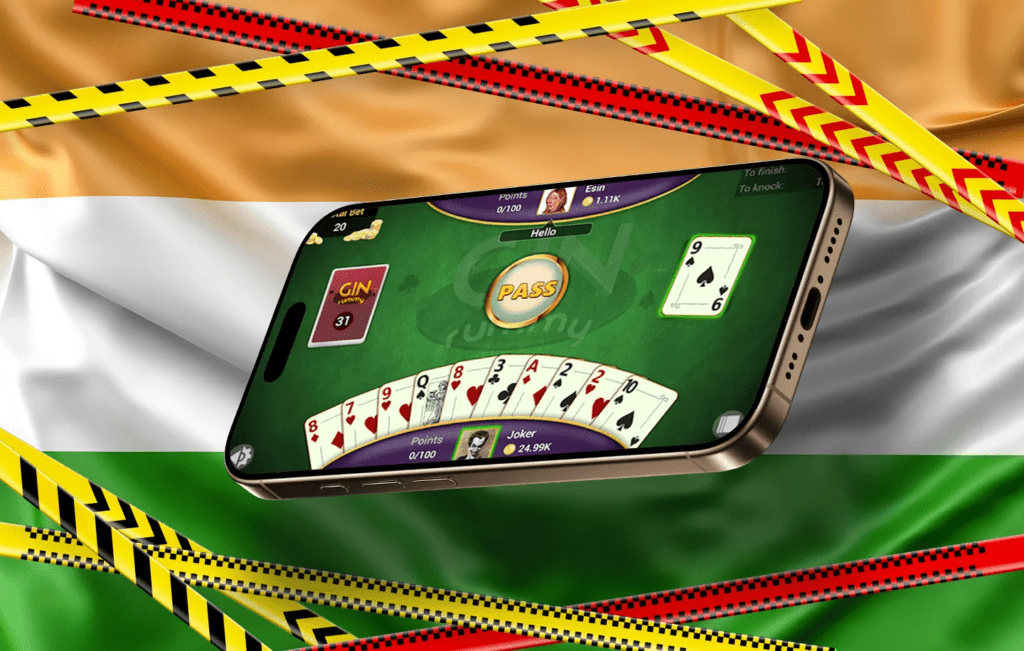
What’s next for gambling in India?
Proposed Changes
- A central regulatory body for online gambling
- Classification of games by skill/chance with scientific criteria
- Age verification and addiction safeguards for online platforms
- Uniform taxation policies across states
The question is not if gambling will grow—it’s whether India will guide that growth or let it spiral.
From Myth to Mobile
From Yudhishthira’s fatal dice game to digital teen patti apps on Android, gambling in India has journeyed across millennia. It has been worshipped, banned, taxed, and transformed.
What remains unchanged? The thrill of chance, the test of skill, and the persistent tension between freedom and control.
Whether India chooses a moral path or a market-based approach, one thing is clear: The dice are already rolling.