
Who Was Vatsyayana?
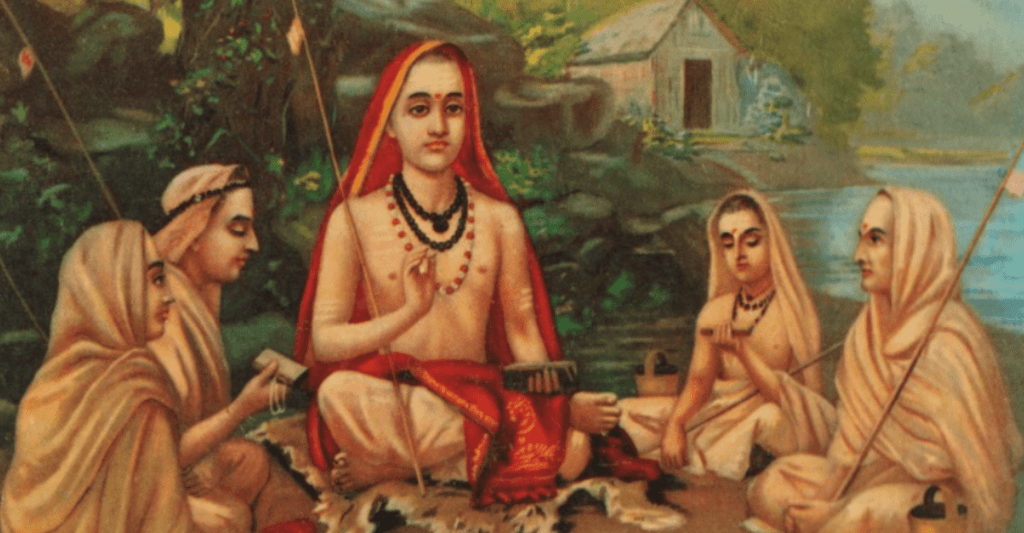
The Kama-Sutra, or कामसूत्र, was composed by Vatsyayana Mallanaga, likely between the 3rd and 5th centuries CE during the Gupta period—often seen as a golden age of Indian culture.
Life and Context
Though little is known about Vatsyayana personally, he identifies himself as a celibate philosopher writing the text not to promote indulgence, but to understand the nature of kama (काम)—desire—as one of the four goals of life.
Purushartha: The Four Pillars of Life
Vatsyayana’s text reflects a worldview where life has four aims:
- Dharma (धर्म) – moral duty
- Artha (अर्थ) – material prosperity
- Kama (काम) – love, pleasure, and emotional fulfillment
- Moksha (मोक्ष) – liberation
In this framework, काम is not shameful. It is to be understood, cultivated, and guided by ethics.
What Kama Really Means in Indian Philosophy
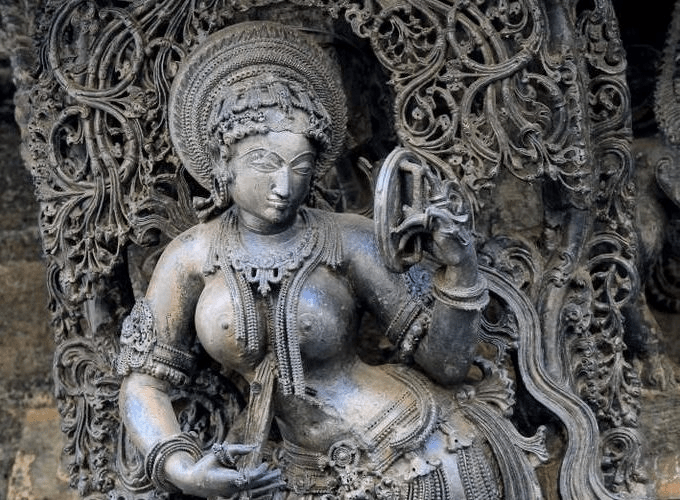
Contrary to modern interpretations, kama in Sanskrit refers not only to sex but also to aesthetic enjoyment, emotional harmony, and the art of living well.
Kama ≠ Lust
Vatsyayana never promotes uncontrolled desire. Instead, he writes:
“He who is well-versed in the Kama Shastra, and observes dharma and artha, reaps the fruits of kama.”
काम का अर्थ केवल यौन नहीं है
कामसूत्र में काम का अर्थ है —
- सौंदर्य की अनुभूति
- प्रेम में संतुलन
- जीवन के रसों को समझने की कला
Isn’t it time we returned to this deeper meaning?
Structure of the Kama-Sutra: Seven Books
The Kama-Sutra is not one long erotic chapter. It is a composed treatise with seven books, each dealing with a different sphere of love, life, and social interaction.
Overview of the Seven Parts
| Book | Focus | Themes |
| 1 | General Principles | Philosophy of kama, purusharthas |
| 2 | Physical Union | Positions, attraction, pleasure |
| 3 | Courtship | How to choose and approach a partner |
| 4 | Marriage | Duties of husband and wife |
| 5 | Affairs Outside Marriage | Rules, consequences, etiquette |
| 6 | Courtesans | Their role, independence, status |
| 7 | Charms and Magic | Aphrodisiacs, spells, desire control |
एक ग्रंथ, सात दृष्टिकोण
कामसूत्र सिर्फ “सेक्स मैनुअल” नहीं है — यह संबंधों, संवेदनाओं और सामाजिक व्यवहारों की पूरी दुनिया है।
Sexuality vs Emotional Ethics
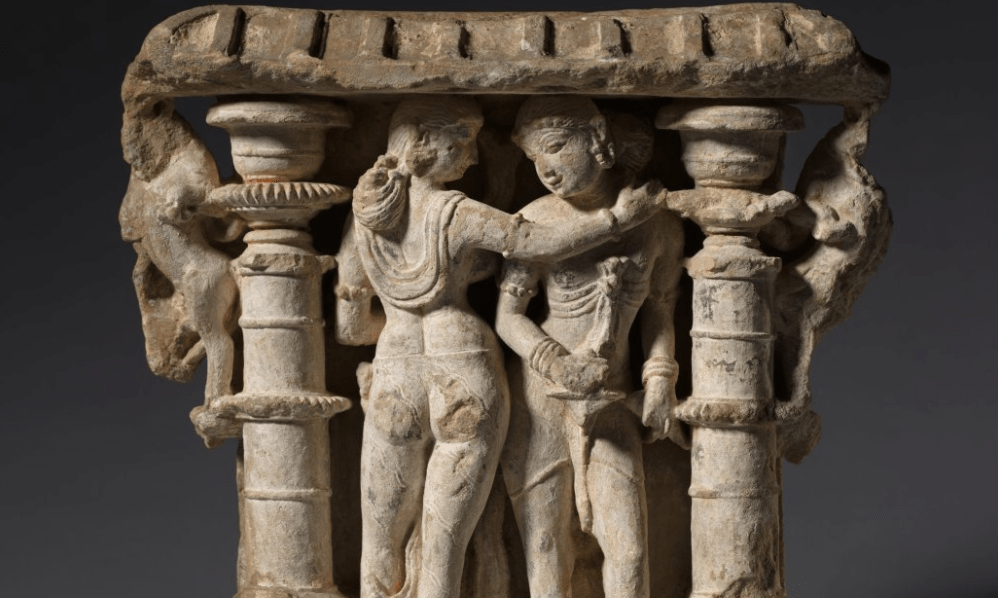
Only one out of seven books deals with physical techniques. The rest explore emotional connection, social behaviour, trust, and mutual satisfaction.
Kama-Sutra as a Social Code
- How to build intimacy through communication
- How men and women express and control desire
- How social status affects romantic freedom
It’s not about indulgence. It’s about balance.
Women in the Kama-Sutra
One of the most progressive features of the text is its treatment of women as individuals with choice, intellect, and emotional agency.
Female Autonomy
- Women could initiate relationships
- Widows and unmarried women had defined roles
- Female pleasure was considered essential
नारी को कामसूत्र में अधिकार मिलता है
- प्रेम चुनने का अधिकार
- यौन आनंद की मान्यता
- सामाजिक भूमिका की स्पष्टता
Isn’t that radically different from how we view “ancient” values today?
The Courtesan (Ganika): A Social Figure
Vatsyayana devotes an entire book to courtesans—not as moral outcasts, but as independent, artistic women who negotiated love and economics with skill.
Role of Courtesans
- Experts in music, dance, conversation
- Maintained autonomy over clients
- Could own property, mentor other women
गणिका का स्थान — सम्मान और स्वतंत्रता
कामसूत्र में गणिका को शिक्षित, प्रभावशाली और निर्णय लेने वाली स्त्री के रूप में दर्शाया गया है।
Why did we forget her story?
Misinterpretation in the West
When the Kama-Sutra was introduced to the Western world in the 19th century, it was reduced to a “sex manual”—a label that stripped the text of its philosophical, aesthetic, and social richness.
Colonial Misreadings
- Victorian translators, like Sir Richard Burton, focused only on erotic sections
- Cultural taboos prevented full publication of non-sexual chapters
- Kama-Sutra became wrongly associated with scandal instead of study
In popular culture, especially post-20th century, the Kama-Sutra became a caricature—detached from its Indian roots.
पश्चिम में कामसूत्र को केवल यौन तकनीक बना दिया गया
इससे ग्रंथ की गरिमा और उद्देश्य को क्षति पहुँची।
Vatsyayana’s voice was replaced by voyeurism.
Kama-Sutra in Indian Temples and Art
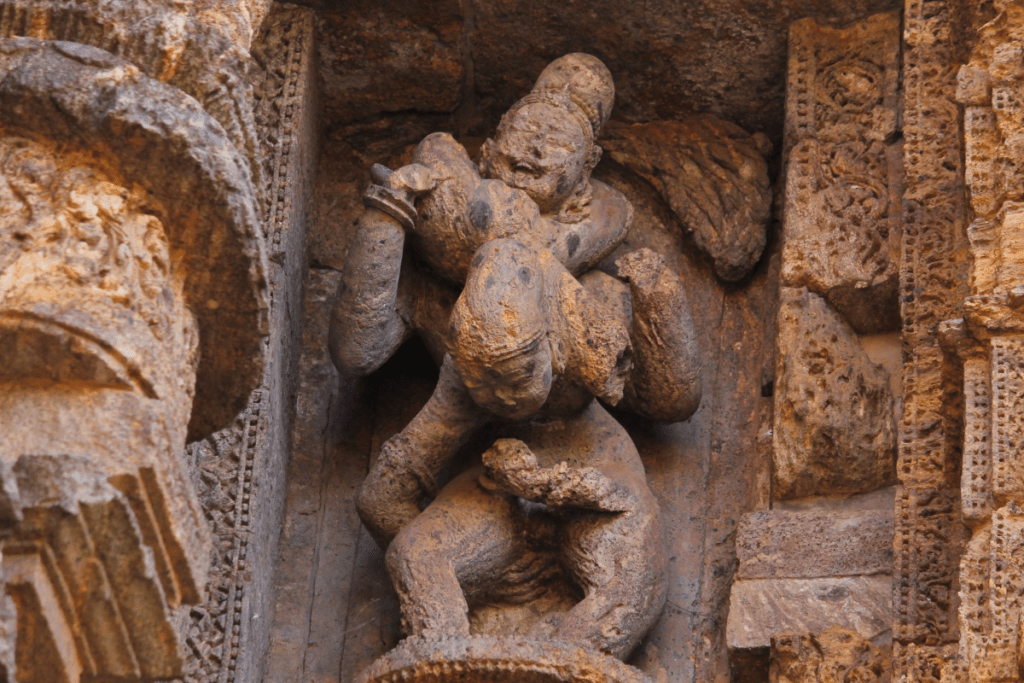
The spirit of kama lives not only in texts but also in Indian temple architecture, sculpture, and dance.
Artistic Echoes of Kama
- Temples like Khajuraho, Konark, and Bhubaneshwar show erotic art as part of divine life
- Sculptures depict lovers, dancers, and gods in states of emotional and physical union
- These visuals are not obscene—they are symbolic representations of cosmic unity
काम — देवत्व का हिस्सा
भारतीय कला में काम आनंद का नहीं, बल्कि एकता और सृष्टि का संकेत है।
Temple art teaches us that pleasure is sacred when it aligns with harmony.
Comparisons with Global Erotic Literature
While the Kama-Sutra is unique in structure, it shares themes with other world texts on love and desire.
Global Parallels
- Ovid’s Art of Love (Rome) – playful, poetic instruction on attraction
- The Perfumed Garden (Arab world) – erotic manual with religious context
- The Pillow Book (Japan) – aesthetic reflections on courtly romance
What sets Kama-Sutra apart is its systematic treatment of desire within ethics, society, and balance—काम के साथ मर्यादा.
The Modern Relevance of Kama-Sutra
Today, the Kama-Sutra is returning to India—not as a taboo, but as a rediscovered treasure of human wisdom.
In Modern India
- Artists reinterpret it through film, dance, and design
- Scholars publish Hindi and English translations with context
- Youth rediscover its lessons in communication, respect, and emotional skill
It’s not about positions. It’s about how to love with intention, dignity, and clarity.
कामसूत्र आज के भारत में फिर से स्वीकार हो रहा है
नया समाज उसे नए दृष्टिकोण से देख रहा है — शिक्षा, संवाद और संतुलन के रूप में।
Reclaiming Kama with Integrity
The Kama-Sutra of Vatsyayana is not a book of secrets, but a mirror to human nature. It teaches that love without knowledge becomes chaos, and desire without dharma becomes harm.
Vatsyayana offered a way to integrate body, mind, and soul — not by denial, but by mastery.
His message to modern India is clear:
काम कोई अपराध नहीं, यदि वह समझदारी और मर्यादा से हो।
Summary of Kama-Sutra Core Concepts
| Concept | Hindi Meaning | Significance |
| Kama | काम (desire, beauty, love) | One of four life goals |
| Dharma | धर्म (duty) | Ethical alignment of behavior |
| Artha | अर्थ (wealth) | Material stability for emotional life |
| Moksha | मोक्ष (liberation) | Ultimate freedom, beyond craving |
| Ganika | गणिका (courtesan) | Skilled, respected women in society |
| Kama-Sutra | कामसूत्र | Harmony between desire and wisdom |