Ancient Indian Views on Sex and Marriage
In early Indian civilization, sex and marriage were not treated as opposing ideas. They were seen as connected duties within a balanced life. Classical thought divided human purpose into dharma, artha, kama, and moksha, where kama referred to pleasure and emotional intimacy.
Marriage was considered a sacred social institution, but sexuality itself was not hidden. Texts, rituals, and temple art openly addressed desire as a natural force.
Kama as a Legitimate Life Goal
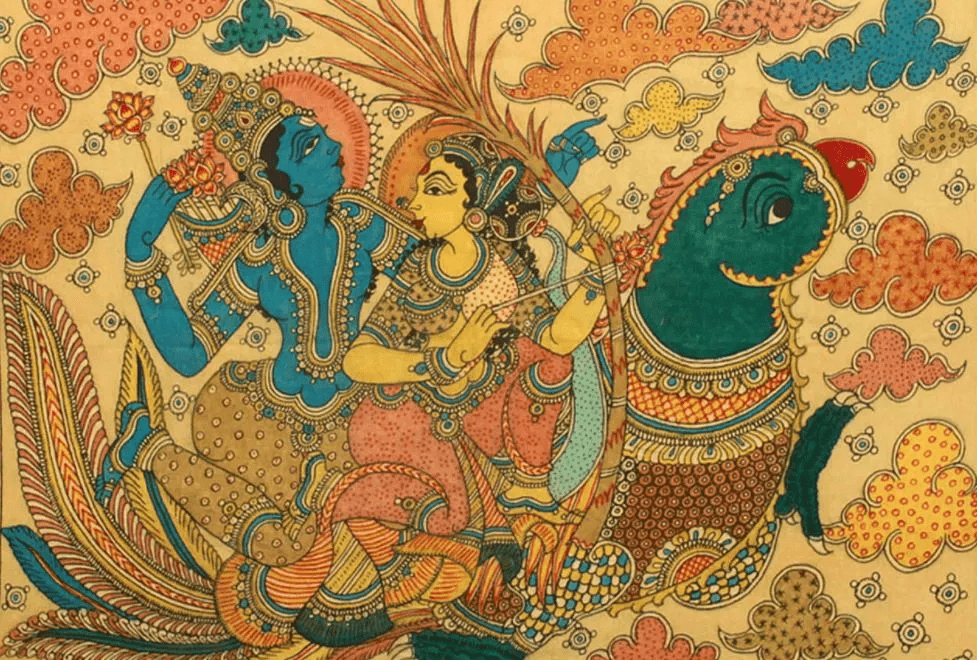
Ancient texts accepted sexual desire as part of human development. Pleasure was regulated, not denied. Sexuality gained meaning when aligned with responsibility and self-control.
Marriage as Social Order
Marriage created lineage, property continuity, and social stability. At the same time, it was expected to provide companionship and संतुलन between duty and desire.
Is it surprising that openness existed thousands of years ago?
Textual Foundations: Dharma and Desire
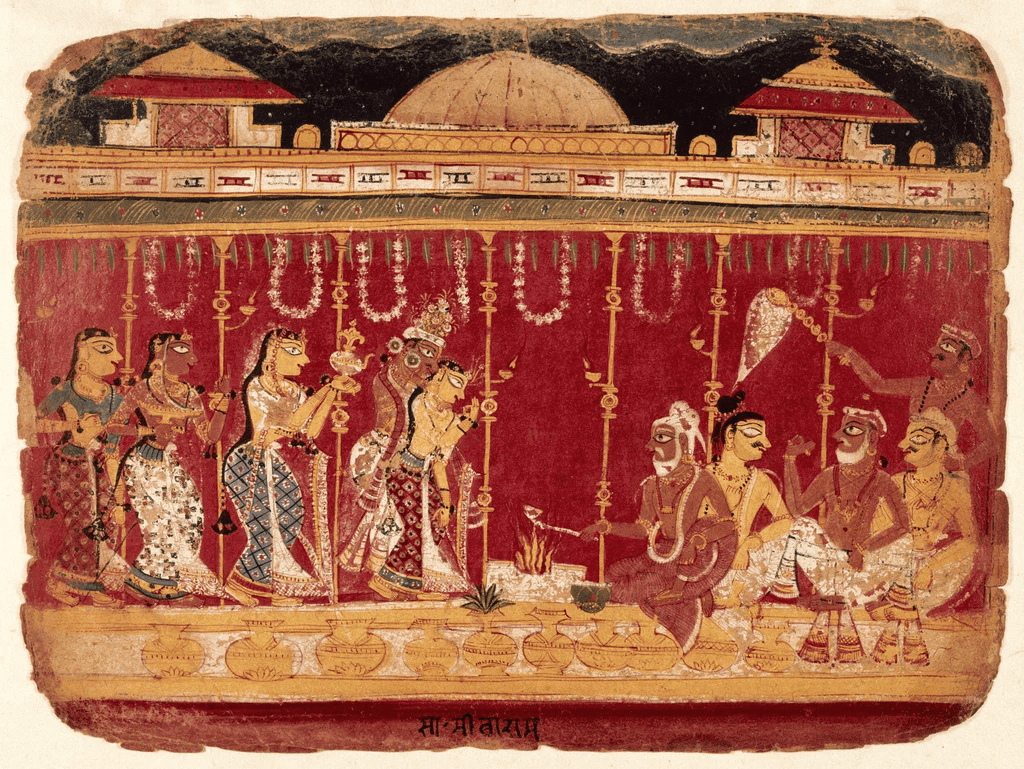
Several early sources shaped Indian thinking on sex and marriage, blending ethics with realism.
Key Textual Influences
- Dharmashastra texts defining marital duties
- Arthashastra addressing family order and inheritance
- Kamasutra explaining emotional, physical, and social intimacy
These works did not promote excess. They framed intimacy as a learned skill connected to mutual respect.
Social Context
Sexual conduct varied by caste, stage of life, and gender. Norms were flexible rather than uniform across regions.
Kamasutra and Cultural Misunderstanding
The Kamasutra is often reduced to a manual of positions. In reality, it is a social text.
What the Kamasutra Actually Discusses
- Courtship and consent
- Emotional compatibility
- Marriage types and partner choice
- Duties of spouses
It addressed men and women as participants with agency. The text reflects an urban, educated society where conversation about intimacy was permitted.
Why did later centuries forget this balance?
Marriage Practices in Ancient Society
Marriage in early India took multiple forms, not all arranged or rigid.
Recognized Forms of Marriage
- Brahma: ritual union approved by families
- Gandharva: mutual consent marriage based on love
- Rakshasa and Asura: socially contested forms
This variety shows that love-based unions were acknowledged, even if not dominant.
Role of Women
Women held varying degrees of autonomy depending on region and era. Some chose partners; others followed strict family decisions.
Medieval Transformations and Control
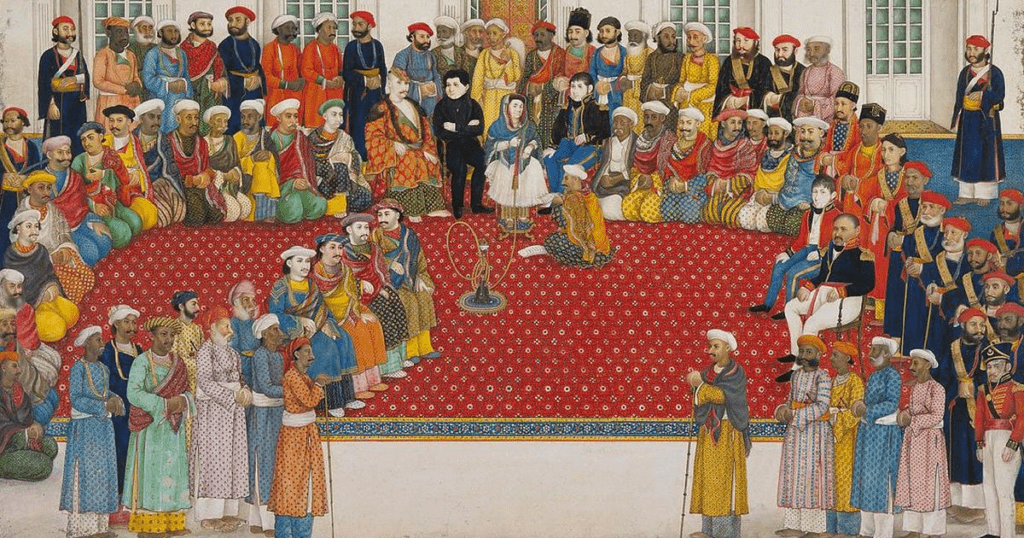
From the early medieval period, attitudes toward sex and marriage became more restrictive.
Causes of Change
- Political instability
- Rise of rigid caste structures
- Increased emphasis on lineage purity
Sexual behavior outside marriage faced stronger condemnation. Female chastity became a marker of family honor.
Religious Reinforcement
Interpretations of Hindu, Islamic, and later Christian norms emphasized control over desire. Public discussion of sexuality declined.
Did morality change, or did power reshape it?
Marriage Under Islamic and Sultanate Rule
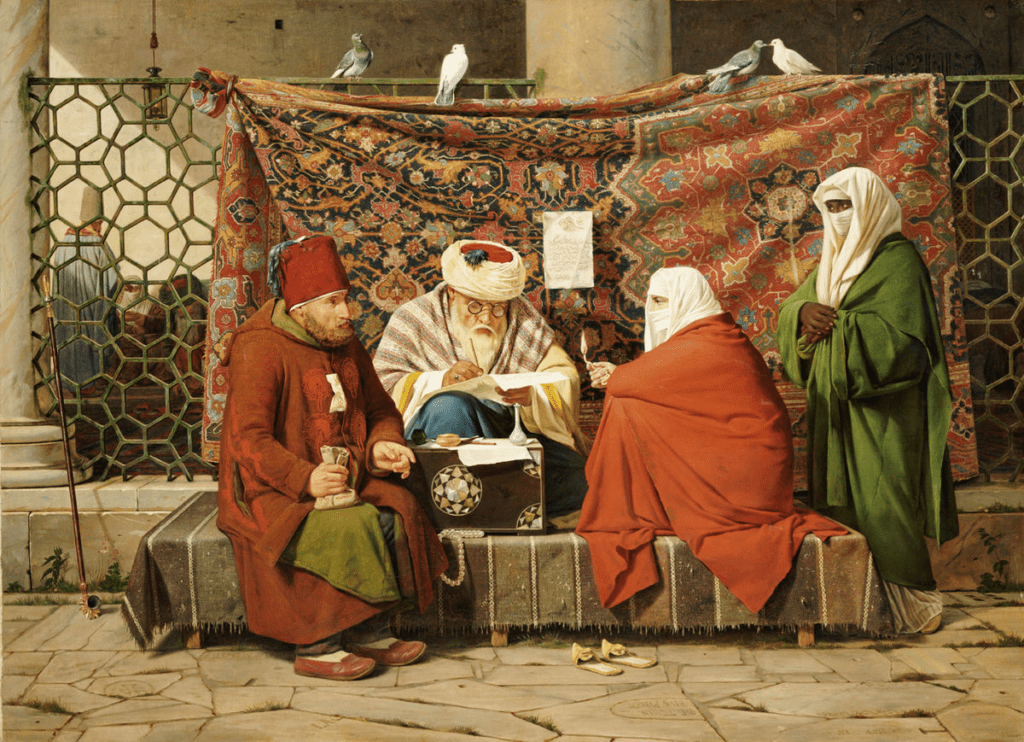
With the arrival of Islamic rule, new legal and cultural frameworks influenced marriage.
Key Features
- Marriage defined as a civil-religious contract
- Polygamy permitted under specific conditions
- Clear rules on inheritance and divorce
Despite religious boundaries, local customs continued to influence daily life, creating hybrid practices.
Colonial Impact on Sexual Norms
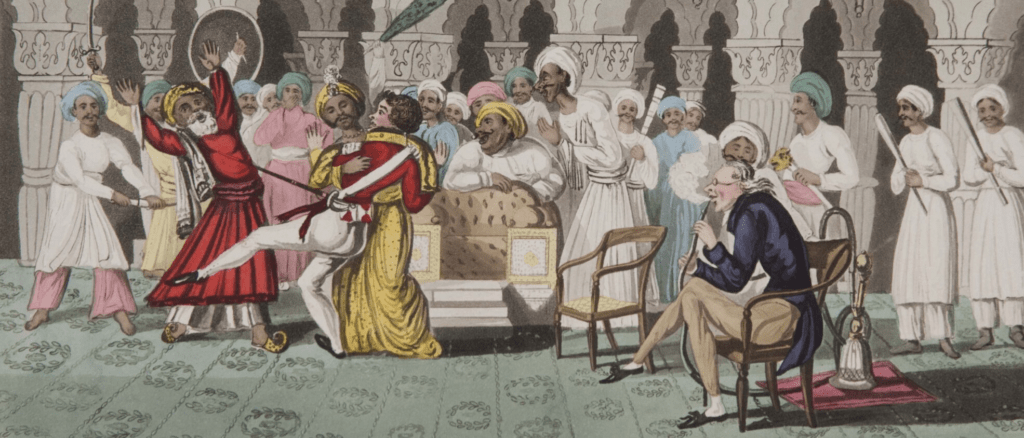
British rule brought Victorian morality, which deeply altered Indian attitudes toward sex.
Legal and Cultural Shifts
- Criminalization of non-normative sexuality
- Promotion of modesty and silence
- Association of sex with shame
Public conversation around intimacy almost disappeared. Education avoided sexual topics. Marriage became heavily moralized.
This period reshaped social memory more than ancient tradition ever did.
Early Reform Movements
Indian reformers in the 19th century challenged harmful practices while accepting moral restraint.
Reform Priorities
- Abolition of child marriage
- Opposition to sati
- Support for widow remarriage
Sex itself remained taboo, but marriage reform became a central social cause.
Contradictions
While reform aimed at justice, it rarely restored the ancient openness toward sexuality.
Foundations of Modern Debate
By the time India approached independence, sex and marriage stood at a crossroads.
Emerging Tensions
- Tradition versus personal choice
- Family authority versus individual consent
- Morality versus rights
These tensions did not disappear after independence. They intensified.
Marriage Laws After Independence
After 1947, independent India attempted to formalize marriage through law while respecting religious diversity. The result was a plural legal system that still defines intimate life today.
Major Legislative Acts
- Hindu Marriage Act (1955): monogamy, consent, divorce rights
- Special Marriage Act (1954): civil marriage beyond religion
- Muslim Personal Law: marriage as contract, polygamy regulated
- Christian and Parsi Acts: church-linked legal frameworks
These laws shifted marriage from custom to legality, placing consent and registration at the center.
Legal Age and Consent
The state set minimum marriage ages and reinforced consent as essential. Yet enforcement varied widely across regions and communities.
Is law enough when social pressure remains stronger?
Sex, Consent, and Social Boundaries
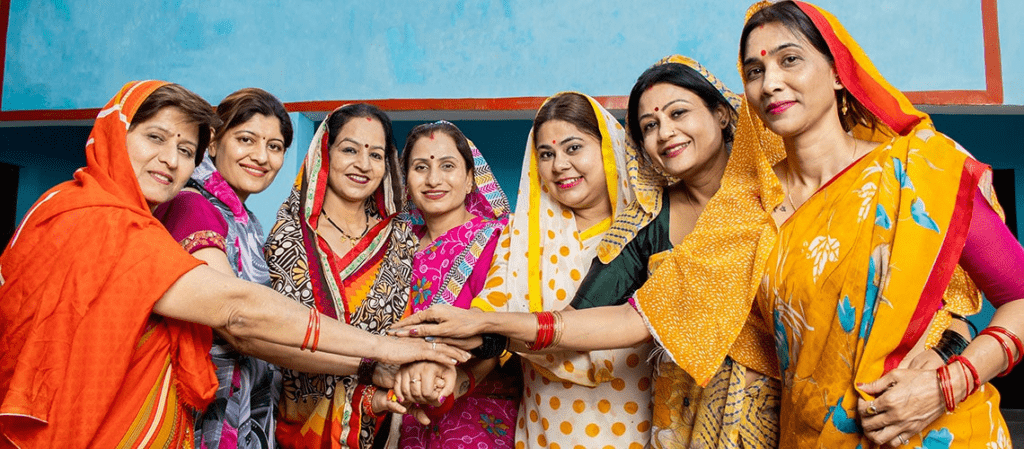
Sex outside marriage occupies an uneasy space in Indian society. Legally, consensual sex between adults is not criminal, yet socially it remains contested.
Cultural Expectations
- Premarital sex often stigmatized
- Female sexuality monitored more strictly than male
- Family honor tied to sexual behavior
Courts increasingly emphasize consent and autonomy, even as public opinion lags behind.
Decriminalization and Change
The removal of colonial-era criminalization of consensual same-sex relations marked a turning point. It reopened debate on intimacy, privacy, and state control.
Interfaith and Intercaste Marriages
Marriage choices that cross religious or caste lines challenge deep social structures.
Social Resistance
- Family opposition and social boycott
- Accusations tied to religious conversion debates
- Local surveillance of couples
Despite legal protection under civil marriage law, couples often face pressure and fear.
Gradual Acceptance
Urbanization, education, and migration have increased acceptance, though unevenly. Change is visible, but resistance persists.
Gender Roles Within Marriage
Marriage reshaped gender expectations more slowly than law intended.
Traditional Expectations
- पुरुष as provider
- Woman as caregiver and homemaker
- Obedience framed as virtue
These roles influenced sexuality, limiting women’s agency within marriage.
Shifting Dynamics
Education and employment expanded women’s choices. Conversations about marital consent, घरेलू हिंसा, and emotional equality gained space in public discourse.
Is partnership replacing hierarchy?
Divorce, Separation, and Social Reality
Divorce exists legally but remains socially difficult.
Common Barriers
- Family pressure to stay married
- Economic dependence
- Stigma, especially for women
Despite rising divorce rates in cities, many couples remain bound by expectation rather than choice.
Legal Grounds
- Cruelty and desertion
- Mutual consent
- Irretrievable breakdown debates
Divorce reflects changing ideas about marriage as companionship rather than obligation.
Youth, Dating, and Digital Influence
Young Indians now encounter intimacy through screens before tradition.
New Patterns
- Dating apps redefining courtship
- Private relationships hidden from family view
- Negotiation between autonomy and obedience
Sex education remains limited, creating confusion between curiosity and fear.
Generational Divide
Parents recall silence; youth demand conversation. This gap shapes modern attitudes toward sex and marriage.
Media, Morality, and Representation
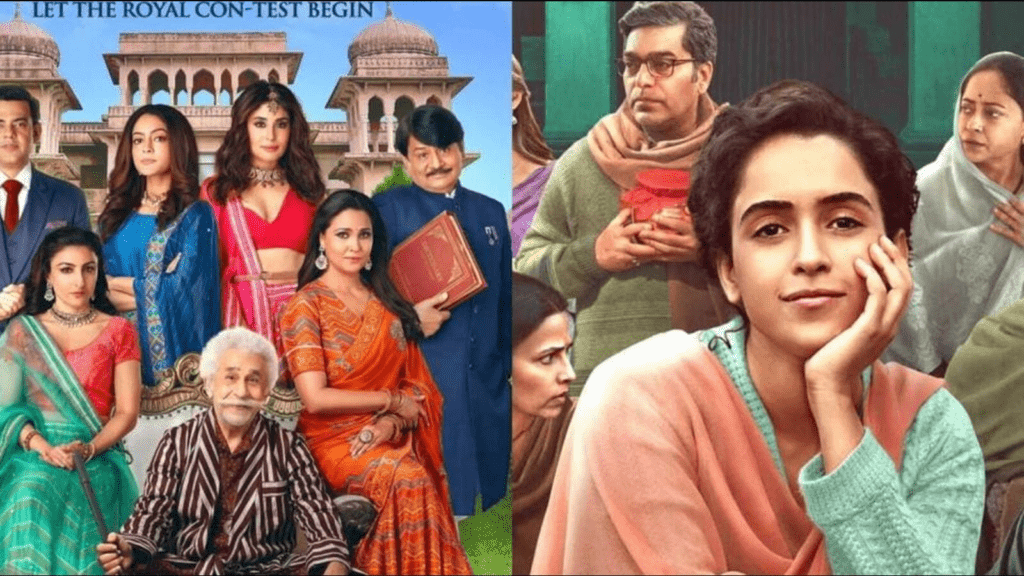
Cinema and television play a powerful role in shaping norms.
Popular Narratives
- Romantic love overcoming obstacles
- Marriage as ultimate resolution
- Sexuality implied rather than discussed
While representation has expanded, censorship and backlash continue to frame intimacy as controversial.
Continuity and Change
India’s approach to sex and marriage is not linear. It moves in cycles of openness and control.
What Persists
- Marriage as social anchor
- Family authority in personal decisions
- Moral language around sexuality
What Is Changing
- Emphasis on consent and choice
- Legal recognition of diversity
- Public debate replacing silence
Can a society carry both tradition and transformation without breaking?
Sex and Marriage in India
| Period | Dominant View | Key Features |
| Ancient | Integrated | Kama and marriage balanced |
| Medieval | Restrictive | Honor, lineage, control |
| Colonial | Suppressive | Silence, criminalization |
| Post-1947 | Legalistic | Codified marriage laws |
| Contemporary | Transitional | Consent, debate, autonomy |