
The Ancient Pulse of Chance
Long before smartphones, India’s cultural imagination was shaped by risk, fate, and games of chance. The first major portrayal of gambling appears in the महाभारत (Mahabharata), where Yudhishthira stakes his kingdom, brothers, and wife in a game of dice (अक्ष) — a contest that determined the destiny of an entire lineage. This wasn’t mere recreation. It was a cosmic collision of choice, destiny, and consequence.
Across the Indus Valley and later Vedic society, gaming elements were commonplace. Archaeological evidence reveals dice-like objects from Harappa and Mohenjo-Daro, suggesting regulated chance games existed as early as 2600 BCE. By the time local kingdoms flourished under the Mauryas and Guptas, gambling was referenced in legal and moral texts, blending शास्त्रिक ethics with pleasure and risk.
Ancient Indian Perspectives on Gambling
In classical thought, life aimed at four goals (पुरुषार्थ):
- धर्म (Dharma) — moral duty
- अर्थ (Artha) — worldly prosperity
- काम (Kama) — desire and enjoyment
- मोक्ष (Moksha) — liberation
Kama was neither mere sensuality nor a vice. It was an integrated aspect of life, balanced with duty and wisdom. Gaming, as a pursuit of pleasure and risk, fit into this broader psychological landscape — not denigrated outright, but approached with caution and moral awareness.
A Global Story of Games and Risk
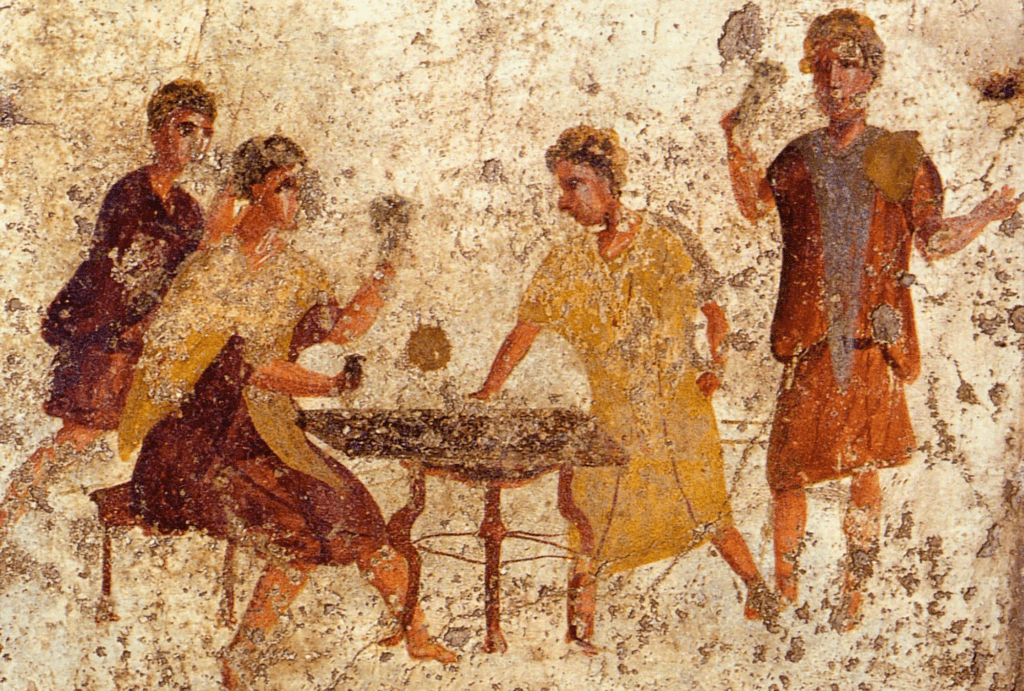
India’s story is only one part of a broader human fascination with chance. From Roman soldiers betting with knucklebones to Chinese lottery games two millennia ago, and Europe’s first legal casino in 17th-century Venice, gambling has spanned continents and cultures.
Each society gave it a unique shape. In medieval India, card games from Persia reached the subcontinent. In the Mughal courts, lavish gaming houses featured jewel‑inlaid dice and ornate boards. Yet across time, games always carried dual associations: community and conflict, joy and judgment.
Colonization and Legal Bifurcation
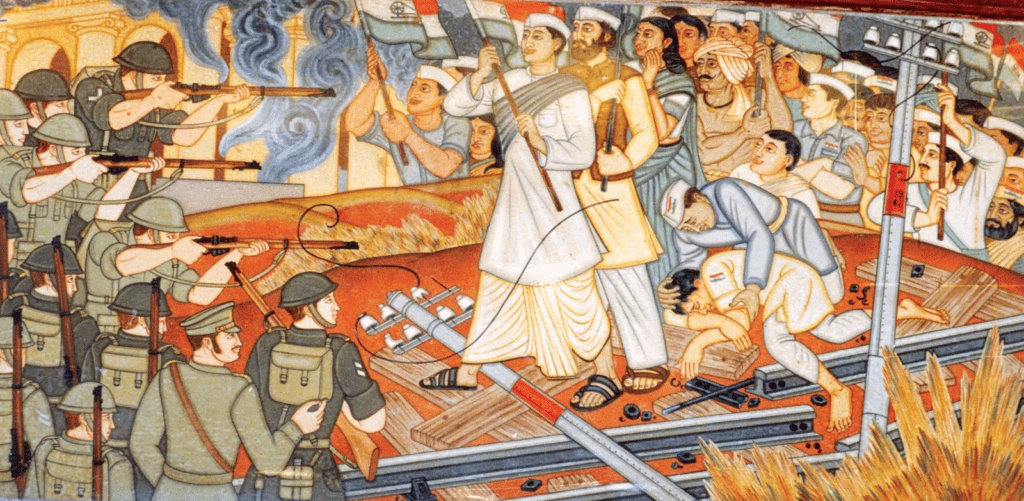
When the British East India Company arrived, a new chapter began. In 1867 the Public Gambling Act criminalized public gambling across British India, except horse racing. Ironically, colonial officers embraced race betting while suppressing indigenous games. Post‑independence, India retained these laws, leaving regulation to individual states.
This patchwork created a complex legal environment:
- Some states allowed lotteries and casinos (e.g., Goa, Sikkim).
- Others treated all betting as illegal.
- Definitions around “games of skill” vs. “games of chance” became pivotal in court decisions.
Into this complex mix stepped the digital era — where laws struggle to keep up with innovation.
Enter the Aviator Game: A Digital Risk Ritual
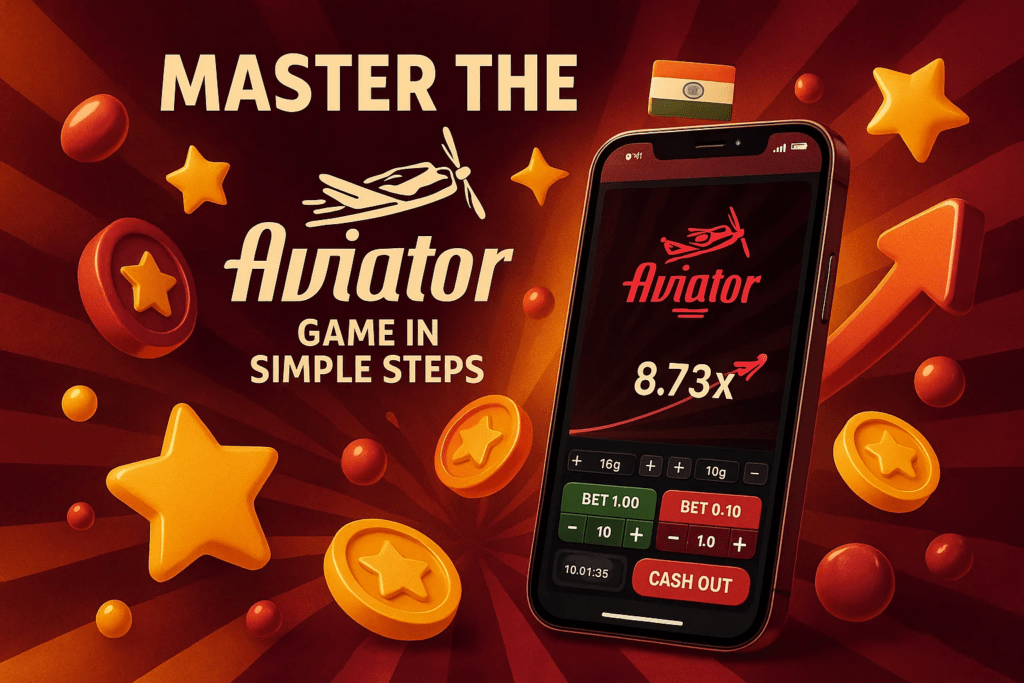
In the 2020s, as smartphones reached millions of Indians, a new form of interactive gambling emerged. Among various formats — fantasy sports, online poker, and digital rummy — one stood out for its simplicity and psychological charge: the Aviator game.
Also referred to in vernacular contexts as एविएटर गेम (Aviator game (на хинди)), Aviator is a crash game that distills risk to its purest form:
- A plane lifts off and a multiplier climbs in real time.
- At any moment, the plane may “crash”.
- Players must cash out before the crash to secure their earnings.
- Waiting longer increases potential reward — and risk.
This elegant mechanic turns every round into a psychological test of timing, intuition, and restraint.
How Aviator Game Works

The structure of an Aviator game round is simple but emotionally gripping:
- Place a Bet — Before take‑off, players decide their risk level.
- Plane Ascends — The multiplier increases rapidly.
- Cash Out Decision — Click to lock in profit before the crash.
- Crash — If the plane disappears before cash‑out, the stake is lost.
This format, unlike slots or table games, creates real‑time tension, where every second matters. The brevity of rounds — often under a minute — makes Aviator a uniquely compelling experience.
Core Elements of Engagement
- Speed — Rapid rounds keep players engaged.
- Simplicity — Easy rules, deep decisions.
- Visualization — Seeing the multiplier rise is emotionally potent.
- Community — Live chat and shared history feeds echo communal gaming.
Why Aviator Resonates in India

Several cultural and technological trends helped Aviator find fertile ground in India:
A Pattern of Risk and Reward
Indians have historically embraced games where timing and choice matter. Whether it was citizens wagering at local fairs, soldiers throwing dice, or city dwellers betting quietly during डिवाली nights, the pattern is consistent: sudden decision, immediate outcome, memory that sticks.
Aviator amplifies this in the digital age.
Mobile‑First Reality
India’s internet penetration — largely mobile — created millions of new digital participants. The Aviator game fit perfectly into on‑the‑go gaming habits, accessible even with modest data speeds.
Low Entry, High Excitement
Unlike some casino games requiring large stakes or complex rules, Aviator often allows micro‑bets — making it accessible across demographics.
Emotional Continuity
The thrill of risk is a psychological staple. Whether in ancient courts watching dice fall or in 2026 watching a virtual plane climb, the emotional architecture is the same: excitement, fear, hope.
Risk, Strategy, and Player Behavior
While at first glance Aviator might seem like pure luck, many players approach it strategically:
- Auto Cash‑Out Targets — Setting automatic exit points reduces emotional bias.
- Bet Splitting — Players stagger stakes across rounds.
- Risk Management — Learning when to walk away becomes a skill.
Even if the underlying algorithm is unpredictable, decision patterns influence outcomes. This is reminiscent of historical gambling practices where skilled players — those who read people and moments — often fared better.
Traditional vs. Digital Risk Games
| Feature | Ancient Games (e.g., dice, cards) | Aviator Game |
| Outcome Decision | Multi‑turn play | Real‑time cash‑out |
| Social Context | Group interaction | Online community chat |
| Pace | Extended | High‑speed |
| Skill Component | Observation, psychology | Timing, strategy |
| Visibility | Physical tokens | Graphical multiplier |
| Accessibility | Location‑dependent | Anywhere with internet |
Regulation and Grey Areas
Aviator and similar games operate in legal grey zones. Indian gambling laws are largely outdated — created in the 19th century — and states differ widely:
- Goa and Sikkim license certain casino formats.
- Some states broadly ban gambling.
- Definitions of “game of skill” vs. “chance” inform legal outcomes.
Online platforms often situate servers offshore, complicating enforcement. Meanwhile, Indian players use UPI, e‑wallets, and even crypto to participate. This discrepancy between law and practice raises ongoing debates about consumer protection, addiction, and state oversight.
Social and Psychological Impact
The appeal of the Aviator game — like gambling in general — is multifaceted:
Emotional Forces
- Thrill — The rising multiplier triggers excitement.
- Anticipation — Waiting too long enhances adrenaline.
- Shared Experience — Live chats and public feeds amplify group emotion.
Risks and Realities
While many enjoy occasional play, others encounter pitfalls:
- Overconfidence after wins.
- Loss chasing after quick setbacks.
- Excessive time spent in pursuit of bigger multipliers.
Responsible gaming conversations focus on limits, awareness, and education.
A Cultural Continuum: Game of Fate, Game of Choice
Aviator is not an outlier. It is a modern iteration of an ancient human instinct — to test luck, to make a guess, to experience uncertainty. Whether cast with ivory dice in the courts of empires or tapping a screen in 2026, the core experience resonates:
- Risk challenges the mind.
- Reward rewards bold timing.
- Loss teaches restraint or folly.
In that continuum, Aviator occupies a curious place — part entertainment, part psychological experiment, part cultural echo.