
Mysore Palace gleams as a jewel in Karnataka’s crown. This grand structure serves as the royal residence of the Wadiyar dynasty. Over centuries, it has witnessed rises, falls, and rebirths. Today, it attracts around 3.5 million visitors each year.
Facing the Chamundi Hills, home to Goddess Chamundeshwari, the palace honors the dynasty’s deity. Built in Indo-Saracenic style, it mixes Islamic, Gothic, and Rajput elements. Domes in dark pink rise elegantly, while arches and colonnades add charm.
Illuminated with nearly 100,000 lights during festivals, it shines brightest on Sundays and holidays. Dasara turns it into a spectacle of joy. Have you ever imagined a palace reborn from ashes multiple times?
Origins and Early Constructions
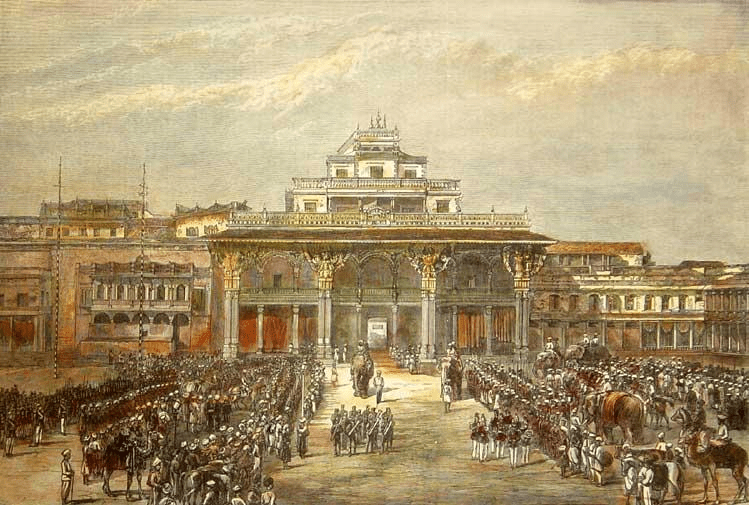
The story begins in the 14th century. Yaduraya, the first Wadiyar ruler, laid the foundation as a modest fort. Mysore then bowed to the Vijayanagara Empire. The name evolved from Wodeyar to Wadiyar under British influence.
Chamaraja Wodeyar IV completed the fort in 1574. Lightning struck it down, leading Kanthirava Narasaraja Wodeyar to rebuild between 1638 and 1659. By then, Mysore stood independent, thriving in industry and culture.
Challenges from Natural Forces
Freak accidents plagued the site. Fires and storms demanded constant renewal. Each rebuild reflected the era’s needs.
These events shaped the palace’s resilience, turning setbacks into opportunities for grandeur.
Expansion Under Early Rulers
As the kingdom grew, so did the structure. Parts of Tamil Nadu and Kerala once fell under Mysore’s sway. The palace mirrored this vast influence.
Tipu Sultan’s Transformations
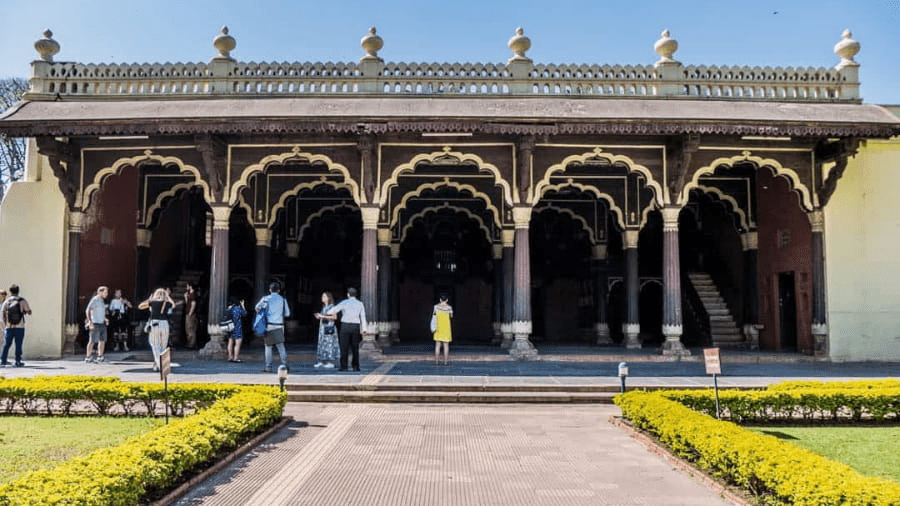
Tipu Sultan reshaped the palace in 1797. He demolished sections to create Nazarabad, his new capital. Temples within remained untouched, preserving sacred spaces.
The palace briefly became Nazarabad city. Yet, this phase ended swiftly with Tipu’s defeat in 1799. British forces restored Krishnaraja Wadiyar III to a shrunken state.
Architectural Shifts
Tipu’s changes introduced new buildings. The complex buzzed with activity. But the core identity as a royal seat endured.
This period highlights how rulers imprinted their visions on the stones.
Legacy of Conflict
After Tipu’s fall, revival began. The palace absorbed these turbulent times, blending histories.
Fire and the Modern Rebuild
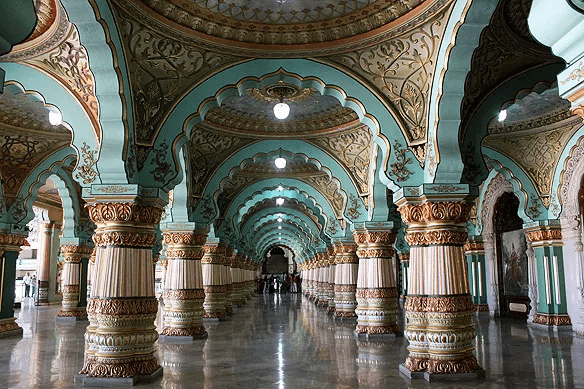
A wedding fire in 1897 razed the wooden palace during Princess Jayalakshammani’s ceremony. Queen Regent Vani Vilas Sannidhana tasked British architect Henry Irwin with reconstruction.
Costing 42 lakh rupees, the work finished in 1912. Jayachamarajendra Wadiyar expanded it further in 1940. Stone and marble replaced wood, ensuring durability.
Indo-Saracenic Design Features
Three stories of grey granite rise proudly. A 145-foot tower with a gold-plated dome crowns it. Durbar halls and quarters fill the interior.
Gardens and courtyards enhance the beauty. Gajalakshmi sculpture graces the central arch, symbolizing prosperity.
Role of Craftspeople
Wadiyars patronized arts. Skilled artisans from the state carved details. Mahogany gates and floral motifs showcase their talent.
Artifacts and Museum Treasures
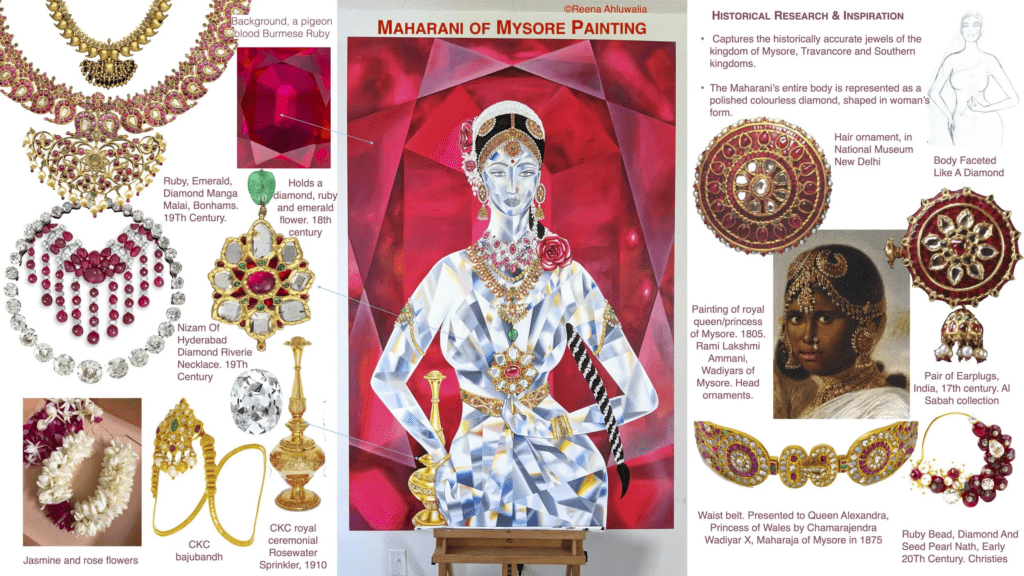
The palace museum brims with wonders. Tipu’s sword draws crowds, though he never resided there. Raja Ravi Varma’s paintings adorn walls.
Silver doors gleam. The jewel-studded throne, chinnada simhasana, weighs heavy with legend—once Pandavas’. A gold-decorated howdah for elephants impresses.
Royal Relics on Display
Weapons, dresses, and Czech chandeliers fill rooms. Canons stand guard. The dolls’ pavilion holds 19th-20th century collections.
These items whisper tales of opulence.
Myths Tied to Exhibits
Legends swirl around the throne. Its ancient origins add mystery. Visitors ponder its journey through time.
Temples Within the Complex
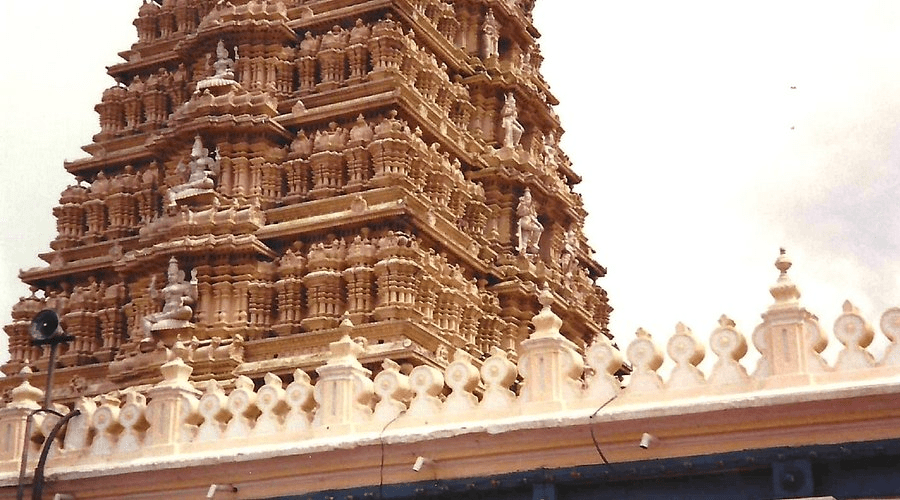
Twelve Hindu temples dot the grounds. Someshvara, Lakshmiramana, and Shwetha Varahaswamy span 14th to 20th centuries.
Alamelamma’s temple honors a tragic figure. Wife of Vijayanagara’s Tirumalaraja, she cursed Wadiyars after refusing to return jewels. Jumping into the river, she doomed them to adopt heirs.
The Curse’s Impact
For 400 years, no natural male heirs ruled. A gold statue from 1612 commemorates her. Worship continues.
This tale weaves sorrow into the palace’s fabric.
Dasara Celebrations at the Heart
Dasara lights up Mysore Palace each year. This ten-day festival roots back to Vijayanagara times. Processions carry the royal sword and Chamundeshwari’s idol on a 750-kg gold howdah.
The Wadiyars oversee rituals. Artifacts from the museum go on public display. Nearly one lakh bulbs illuminate the palace, creating a magical glow.
Festive Traditions
Crowds gather for the spectacle. Artists perform, boosting local talent. The palace becomes a hub of joy and culture.
This event ties past glory to present vibrancy.
Cultural Patronage
Dasara aids performers and craftsmen. It keeps traditions alive in Mysuru, Karnataka’s cultural capital.
Hidden Wonders and Legends
Secret tunnels rumor to snake from the cellar to Srirangapatnam and beyond. These passages add intrigue.
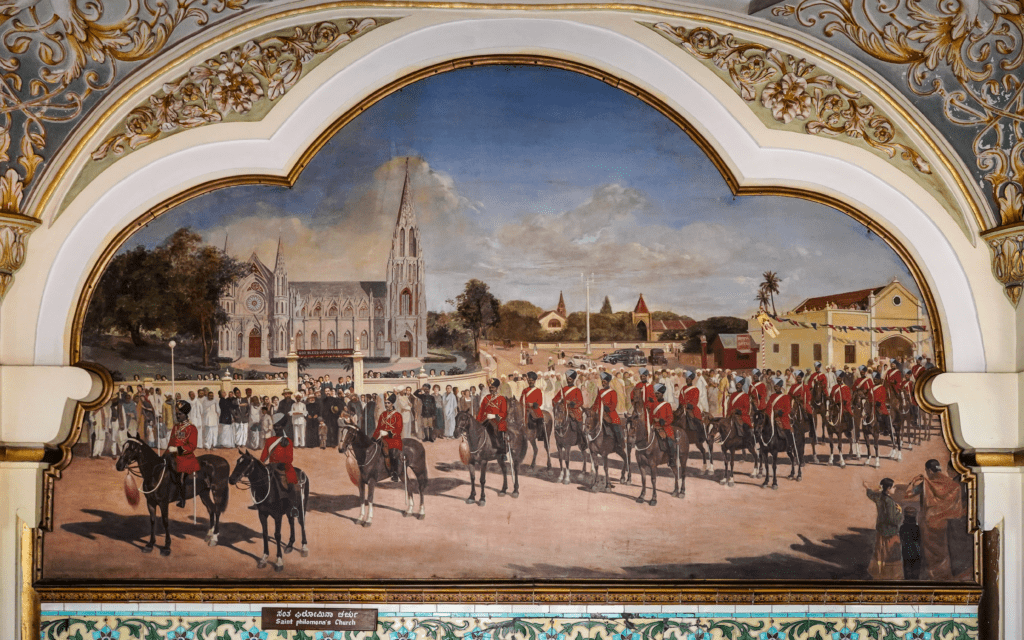
Wall paintings in the kalyanamantapa depict Dasara processions. They seem to march toward viewers from any angle.
Optical Illusions in Art
The artwork plays with perspective. Stand anywhere, and the scene shifts dynamically.
Such details showcase artistic ingenuity.
Mythical Origins of Mysuru
The city name stems from Mahishasura’s slaying by Chamundeshwari, Durga’s form. This myth infuses the palace with divine aura.
Sound and Light Spectacle
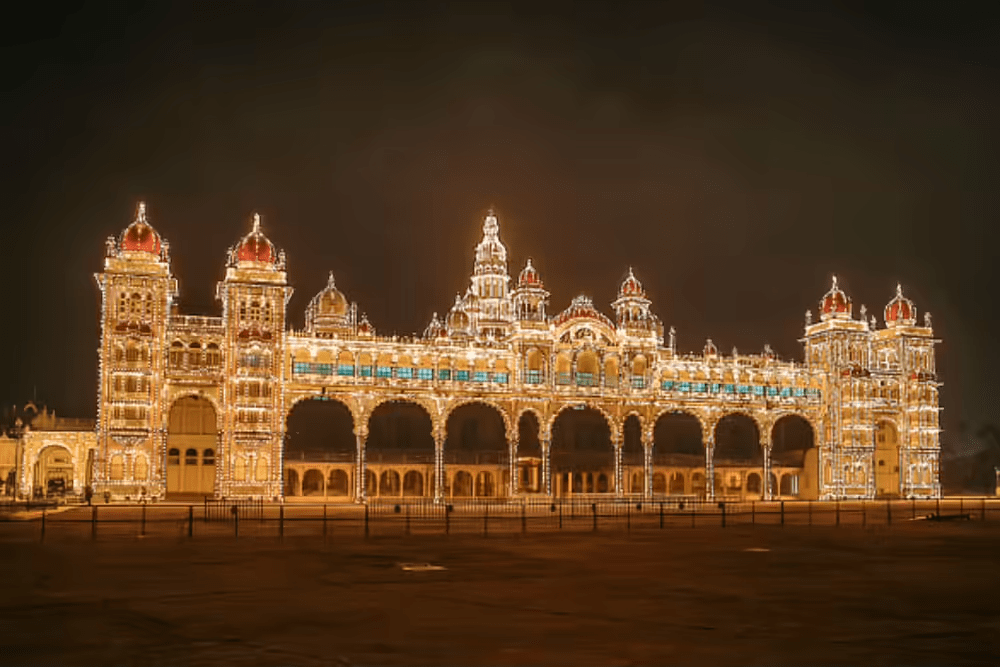
Evenings offer a 45-minute sound and light show, except Sundays and holidays. It narrates the palace’s saga through visuals and audio.
Visitors relive history under the stars. The show enhances understanding of the site’s evolution.
Evening Entertainment
Narratives cover rulers and rebuilds. Lights dance across facades.
It draws families for an immersive experience.
Architectural Blends and Influences
Indo-Saracenic style fuses diverse elements. Islamic arches meet Gothic details and Rajput grandeur.
The 1912 rebuild by Irwin ensured harmony. Expansions in 1940 added modern touches.
Fusion of Styles
Granite base supports marble accents. Turrets and domes create a skyline of splendor.
This mix reflects Mysore’s historical interactions.
Patronage of Fine Arts
Wadiyars supported literature and crafts. Palace interiors boast their legacy.
Artisans’ work in mandalas and windows shines.
Why does Mysore Palace feel like a living museum? Its layers tell stories of resilience.
Visitor Attractions Beyond the Main Hall
Peacock-themed pavilion stuns with stained glass. Floral designs cover ceilings.
Durbar Hall’s pillars and ornaments awe. Paintings throughout narrate royal tales.
Museum Highlights
Beyond Tipu’s sword, Ravi Varma’s art captivates. The throne’s gems sparkle with myth.
Howdahs and chandeliers offer glimpses of luxury.
Dolls and Collectibles
The pavilion’s dolls span centuries. They reflect cultural shifts.
Temples’ Role in Daily Life
Temples like Someshvara host rituals. Lakshmiramana draws devotees for blessings.
Shwetha Varahaswamy adds to the spiritual mosaic.
Alamelamma’s Enduring Curse
Her story explains adopted heirs. The gold statue receives offerings.
This legend humanizes the dynasty’s history.
Mysore Palace in Modern India
Post-1950, the palace opened to public. It symbolizes Karnataka’s heritage, renamed from Mysore in 1973.
Tourism thrives here. Events keep it relevant.
Preservation Efforts
Maintenance preserves the structure. Gardens stay manicured.
It stands as a bridge between eras.
Features of Mysore Palace
Explore these standout elements:
- Durbar Halls: Ornate spaces for royal gatherings.
- Tower and Dome: 145 ft high, gold-plated for majesty.
- Gardens: Geometric layouts with fountains.
- Museums: Housing swords, thrones, and paintings.
- Temples: Twelve sacred sites within grounds.
These draw global visitors.
Mysore Palace History
| Era/Ruler | Year | Key Changes | Reason |
| Yaduraya | 14th century | Initial fort construction | Foundation as vassal state |
| Chamaraja Wodeyar IV | 1574 | Completed fort | Expansion needs |
| Kanthirava Narasaraja | 1638-1659 | Reconstruction | Lightning destruction |
| Tipu Sultan | 1797 | Remodeling for Nazarabad | New capital creation |
| Krishnaraja Wadiyar III | Post-1799 | Resurrection | Post-Tipu restoration |
| Queen Regent | 1897-1912 | Modern rebuild by Irwin | Fire during wedding |
| Jayachamarajendra Wadiyar | 1940 | Further expansions | Modern updates |
This table traces the palace’s transformations.
Mysore Palace, or मैसूर पैलेस as locals say, embodies endurance. From fires to curses, it rises stronger. Plan a visit during दशहरा for the full magic.