
Indian currency notes are more than tools of exchange. They function as small historical documents that travel ежедневно from hand to hand, carrying stories of power, faith, art, and continuity. When people search for monuments on indian currency notes, they are often surprised to discover how deliberate each choice has been. Every image on the reverse side is a compressed narrative about India itself.
Unlike decorative designs, indian currency notes are curated symbols. They speak about geography, belief systems, dynasties, and ideas of progress. The selection of monuments reflects not only heritage but also how the nation wishes to see itself. In Hindi, this idea is often summed up as सांस्कृतिक पहचान, cultural identity embedded in everyday life.
Why Monuments Appear on Indian Currency Notes
The presence of monuments on indian currency notes is rooted in nation-building. After independence, currency became a medium to project unity across diversity. Landscapes, structures, and symbols were chosen to represent continuity rather than political change. This explains why indian currency notes back side images name monuments instead of modern skylines.
Each monument works on multiple levels at once:
- As a visual marker of regional heritage
- As a reminder of historical depth
- As a shared reference across languages and states
This layered meaning allows a single note to speak to millions without words.
The Shift to the Mahatma Gandhi New Series
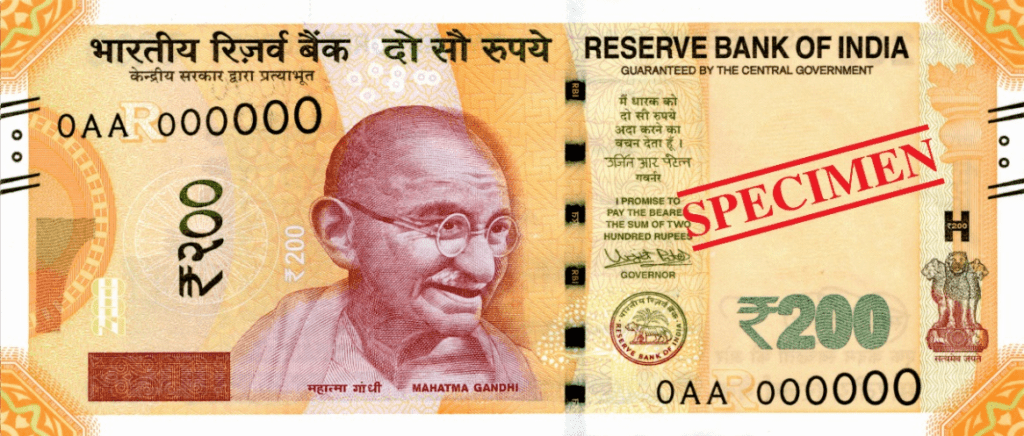
A major change came with the introduction of the Mahatma Gandhi New Series. This series unified design language while diversifying imagery on the reverse. Instead of repeating abstract motifs, the Reserve Bank opted for monuments on indian currency notes that could act as cultural anchors.
The approach balanced tradition and clarity. Front designs remained consistent, while the back side became a gallery of Indian history. This shift also improved public recognition of indian currency notes images, making them easier to identify and harder to counterfeit.
Rs 10 Note and the Konark Sun Temple
The Rs 10 note carries the Konark Sun Temple wheel, a structure that encodes time itself. The monument represents Odisha’s architectural brilliance and mathematical imagination. When people look for indian currency notes back side images name, Konark is often the first surprise.
The wheel symbolizes cosmic order. Its spokes mark hours, months, and cycles. In Hindi thought, this aligns with कालचक्र, the wheel of time. The note quietly connects daily transactions with ancient concepts of rhythm and balance.
Rs 50 Note and the Stone Chariot of Hampi
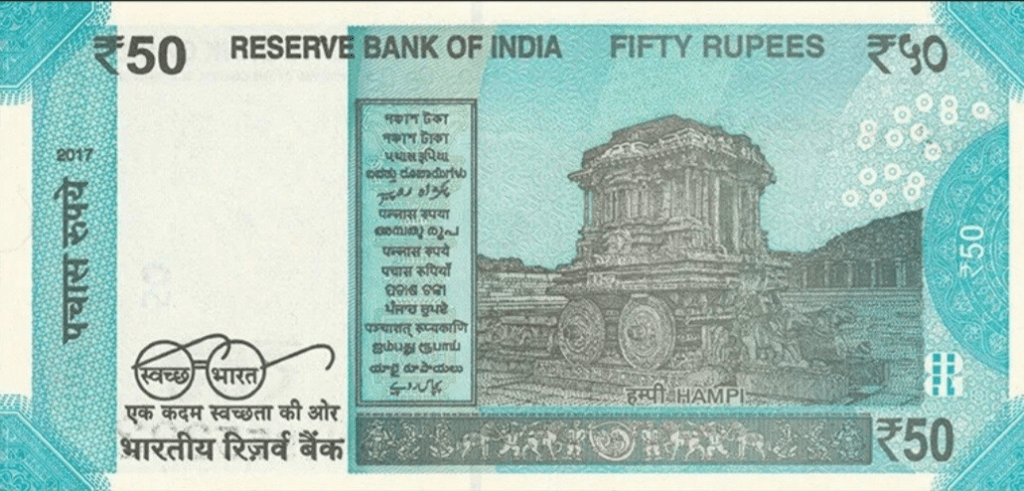
On the Rs 50 note appears the stone chariot of Hampi. This monument reflects the power and aesthetic vision of the Vijayanagara Empire. Unlike defensive forts, this structure celebrates devotion, craftsmanship, and imperial confidence.
The chariot is static, yet it implies movement. That paradox mirrors Hampi itself: a ruined city that still feels alive. Through indian currency notes images, Hampi travels far beyond Karnataka, becoming a shared national memory.
Rs 100 Note and Rani ki Vav
The Rs 100 note features Rani ki Vav, an elaborate stepwell from Gujarat. This is often searched through queries like 100 rupee note backside image name, because it breaks expectations. Instead of a tower or fort, the note shows a structure that goes downward.
Rani ki Vav represents जल, water, as sacred architecture. Its carvings combine devotion, mythology, and royal memory. The stepwell also reflects women’s patronage in history, adding a quieter but powerful layer to indian currency notes.
Rs 200 Note and the Sanchi Stupa
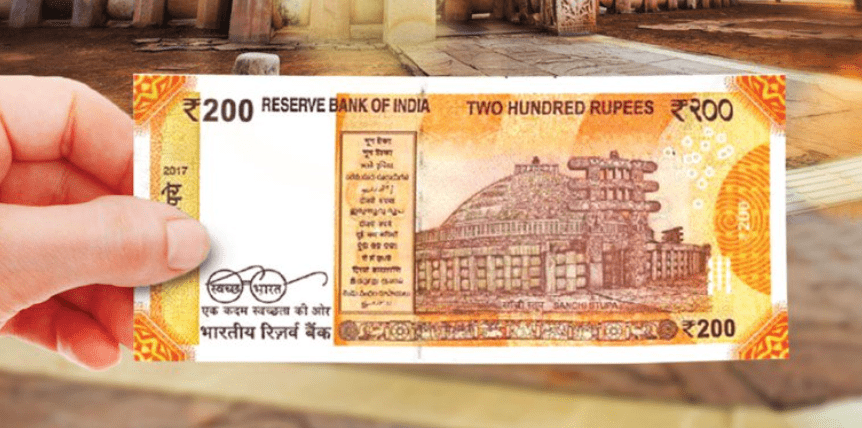
The Rs 200 note displays the Sanchi Stupa, one of the oldest surviving Buddhist monuments in India. Its hemispherical form is simple, but the gateways are rich with narrative carvings. Together, they express restraint and storytelling.
Sanchi symbolizes learning without excess. In Hindi, this idea resonates with संयम, disciplined balance. Its appearance on indian currency notes reinforces India’s philosophical heritage alongside its political history.
Rs 500 Note and the Red Fort
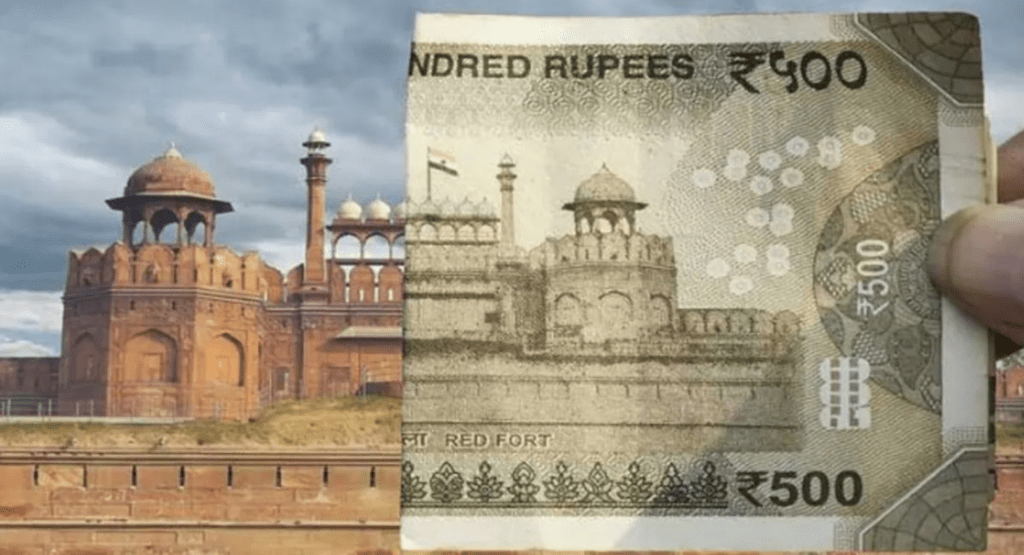
The Rs 500 note features the Red Fort, a monument still active in national life. Unlike other sites, it bridges past and present. It was once a Mughal residence and now hosts modern ceremonial functions.
The Red Fort stands for authority, continuity, and public address. On indian currency notes back side images name lists, it is the most immediately recognizable structure, linking money with governance.
A Comparative View of Monuments on Notes
Below is a concise overview of monuments featured on major denominations:
| Denomination | Monument | State |
| Rs 10 | Konark Sun Temple | Odisha |
| Rs 50 | Stone Chariot, Hampi | Karnataka |
| Rs 100 | Rani ki Vav | Gujarat |
| Rs 200 | Sanchi Stupa | Madhya Pradesh |
| Rs 500 | Red Fort | Delhi |
This distribution reflects regional balance rather than concentration in one zone.
Language, Scripts, and Identity on Currency
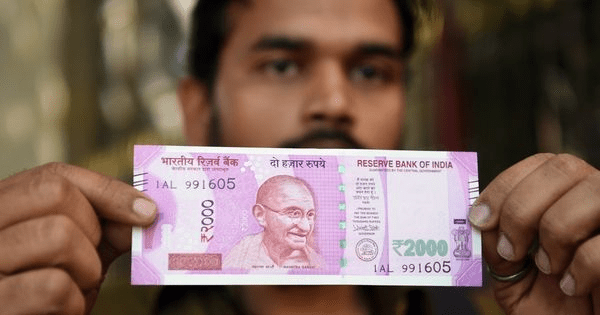
Indian currency notes also carry multiple scripts, reinforcing unity through diversity. The Kannada phrase ಭಾರತೀಯ 100-ರೂಪಾಯಿ ನೋಟು appears in regional contexts, reminding users that currency speaks many languages at once.
Images and scripts together make notes readable across states. This is not decoration but design logic rooted in inclusion.
Why These Images Matter in Daily Life
People rarely pause to observe money. Yet these monuments enter homes, markets, and rituals daily. Why does this matter? Because repetition builds familiarity. Over time, indian currency notes shape how history feels normal rather than distant.
When a monument appears thousands of times in circulation, it becomes part of collective memory. Could there be a more subtle way to teach history?
Monuments as Silent Educators
Indian currency notes function as silent educators. Without dates or captions, they invite curiosity. Many people first learn monument names by asking elders or searching images later. This everyday exposure explains why monuments on indian currency notes matter beyond design.
Unlike textbooks, currency does not instruct. It familiarizes. Over time, names like Konark, Hampi, or Sanchi stop sounding distant. In Hindi, this process is often described as सहज ज्ञान, learning that happens naturally.
Regional Balance and National Unity

One clear pattern across indian currency notes is regional balance. No single state dominates the visual narrative. North, South, East, West, and Central India are all represented. This balance reinforces the idea that national identity is built from multiple centers.
By rotating focus across regions, the notes avoid privileging one historical path. Forts, temples, stupas, and stepwells coexist. This plurality answers why indian currency notes back side images name different monument types rather than repeating a single theme.
Architecture as a Marker of Values
Each monument reflects a value system as much as a dynasty. Stepwells emphasize water management. Stupas highlight learning and restraint. Forts speak of power and defense. Temples express cosmology and devotion.
Together, these images turn indian currency notes into a catalogue of values:
- Balance between शक्ति and संयम
- Respect for craft and planning
- Recognition of spiritual and civic spaces
Money becomes a mirror of what society chooses to remember.
Public Recognition and Trust
Currency must be trusted. Familiar images help build that trust. When people recognize monuments on indian currency notes, they associate notes with stability and continuity. This psychological factor supports acceptance, especially during transitions like denomination changes.
Clear and recognizable indian currency notes images also reduce confusion across literacy levels. A monument can be identified instantly, even without reading text.
The Role of Color and Scale
Color choices reinforce monument identity. Blue, green, orange, and grey are not random. They help distinguish denominations quickly while complementing the architecture shown. The scale of monuments is adjusted to fit the note without losing detail.
This careful balance ensures that even complex carvings, such as those on Rani ki Vav, remain legible. It also answers why 100 rupee note backside image name searches often lead to visual fascination rather than mere identification.
Currency Notes in Ritual and Daily Use
Indian currency notes appear not only in markets but also in rituals. Notes are placed near lamps during Diwali, gifted at weddings, and offered during puja. The monuments printed on them quietly enter these moments.
In such contexts, money shifts from transaction to symbol. The monument becomes part of blessing and intention, reinforcing the idea that heritage accompanies prosperity.
Language Diversity on Notes
Beyond images, scripts play a vital role. Notes carry multiple languages, reflecting linguistic plurality. Seeing terms like भारतीय 100-रूपये का नोट alongside other scripts reinforces inclusivity.
This multilingual presence ensures that currency speaks to citizens directly. It also strengthens emotional ownership across regions.
Changing Perception Over Time
At first glance, people may ignore currency design. Over years, perception changes. Children recognize monuments before visiting them. Adults associate notes with places they hope to see.
This gradual shift explains why indian currency notes influence travel curiosity and cultural pride. The note becomes a starting point, not an endpoint.
Everyday Objects, Lasting Memory
Currency is among the most handled objects in society. Embedding heritage into it ensures constant visibility. Unlike monuments that require travel, these images come to everyone.
That accessibility is key. History stops being remote. It becomes tactile, familiar, and shared.
Why Monuments Continue to Define Indian Currency

Ultimately, the choice of monuments on indian currency notes reflects confidence in heritage. Rather than abstract symbols, India places its past in circulation.
This approach suggests continuity rather than rupture. As long as notes change hands, these stories move with them. Isn’t that one of the most effective ways to keep memory alive?
FAQ: भारतीय मुद्रा नोटों पर स्मारक
भारतीय मुद्रा नोटों पर स्मारक क्यों दिखाए जाते हैं?
भारतीय मुद्रा नोटों पर स्मारक इसलिए चुने जाते हैं ताकि देश की सांस्कृतिक विरासत, ऐतिहासिक निरंतरता और क्षेत्रीय विविधता को रोज़मर्रा के जीवन से जोड़ा जा सके। यह राष्ट्रीय पहचान को दृश्य रूप में प्रस्तुत करने का माध्यम है।
भारतीय मुद्रा नोटों के पीछे कौन-कौन से स्मारक दिखते हैं?
वर्तमान श्रृंखला में प्रमुख स्मारक इस प्रकार हैं:
- ₹10 नोट: कोणार्क सूर्य मंदिर का चक्र
- ₹50 नोट: हम्पी का स्टोन रथ
- ₹100 नोट: रानी की वाव
- ₹200 नोट: सांची स्तूप
- ₹500 नोट: लाल किला
₹100 के नोट के पीछे दिखने वाले स्मारक का नाम क्या है?
100 rupee note backside image name रानी की वाव है। यह गुजरात में स्थित 11वीं शताब्दी की सीढ़ीनुमा बावड़ी है, जो जल प्रबंधन और शिल्पकला का उत्कृष्ट उदाहरण मानी जाती है।
क्या भारतीय मुद्रा नोटों के स्मारकों का चयन क्षेत्रीय संतुलन पर आधारित है?
हाँ, चयन करते समय क्षेत्रीय संतुलन को विशेष महत्व दिया गया है। उत्तर, दक्षिण, पूर्व, पश्चिम और मध्य भारत सभी का प्रतिनिधित्व मुद्रा नोटों पर दिखाई देता है।
भारतीय मुद्रा नोटों की छवियाँ इतिहास को कैसे दर्शाती हैं?
indian currency notes images केवल स्थापत्य नहीं दिखातीं, बल्कि वे राजनैतिक शक्ति, धार्मिक विचारधारा, तकनीकी ज्ञान और सामाजिक मूल्यों को भी दर्शाती हैं।
क्या सभी भारतीय मुद्रा नोटों के पीछे स्मारक ही होते हैं?
नहीं। कुछ नोटों पर वैज्ञानिक उपलब्धियाँ या प्रतीकात्मक छवियाँ भी रही हैं, जैसे अंतरिक्ष मिशन। लेकिन वर्तमान श्रृंखला में अधिकांश नोटों पर ऐतिहासिक स्मारक ही दिखाए गए हैं।
भारतीय मुद्रा नोटों पर विभिन्न भाषाएँ क्यों होती हैं?
भारतीय मुद्रा नोटों पर कई भाषाएँ शामिल होती हैं ताकि देश की भाषाई विविधता को सम्मान दिया जा सके। उदाहरण के लिए, कन्नड़ में लिखा गया भारतीय 100-ರೂಪಾಯಿ ನೋಟು इसी समावेशी दृष्टिकोण को दर्शाता है।
क्या मुद्रा नोटों पर दिखने वाले स्मारक लोगों की ऐतिहासिक समझ को प्रभावित करते हैं?
निश्चित रूप से। रोज़मर्रा में दिखाई देने से ये स्मारक लोगों की स्मृति का हिस्सा बन जाते हैं और इतिहास को दूर की चीज़ नहीं, बल्कि जीवित अनुभव बना देते हैं।