Mirza Ghalib remains a towering figure in Urdu literature. His poetry resonates across generations. Born on December 27, 1797, in Agra, his real name was Asadullah Beg Khan. He adopted the pen names Asad and Ghalib, earning titles like Najm-ud-Daula and Dabir-ul-Mulk.
Ghalib’s early education came from Maulvi Muhammad Muazzam in Agra. At 14, he learned from Mullah Abdus Samad, an Iranian scholar. Though some tales suggest a fictional mentor to counter claims of being self-taught, his deep observations shaped his intellect. He delved into the universe’s mysteries through personal study.
Ghalib married Umrao Begum at 13 in 1810. She was the daughter of Nawab Ilahi Bakhsh Khan, a poet himself. In 1812, they moved to Delhi. This shift marked a new chapter in his life.
Early Life and Formative Years
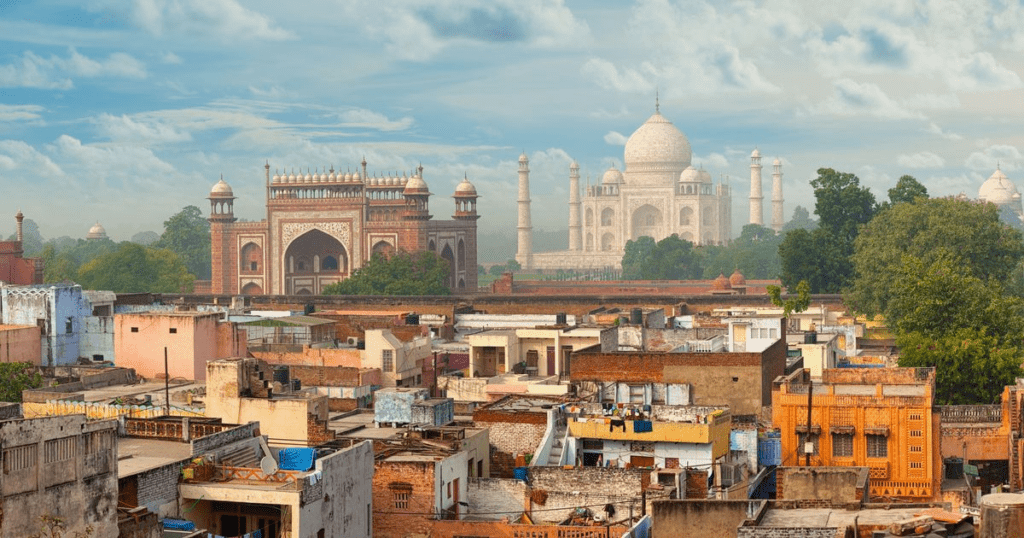
Ghalib’s family faced hardships early on. His uncle passed away when he was nine, securing a pension from the British. Yet, financial strains grew after marriage. He journeyed to Calcutta in 1826 to plead for an increase, passing through Kanpur, Lucknow, Banaras, and Patna.
In Lucknow, admirers hosted a mushaira in his honor. He stayed nearly a year. But in Calcutta, success eluded him. Returning to Delhi in 1829, his petition failed in 1836. Appeals to England also fell short. Over 16 years, he battled for more, borrowing and hoping.
See this sher: “Karza ki peete the mai lekin samajhte the ki haan, Rang laayegi hamari faaqa-masti ek din.” It reflects his unyielding optimism amid debts.
Education and Self-Discovery
Without formal institutions, Ghalib’s knowledge bloomed through reading. He grasped Persian and Urdu nuances. His mind reached hidden truths in everyday things.
This self-reliance fueled his unique voice in mirza ghalib ki shayari.
Marriage and Relocation to Delhi
The wedding tied him to a literary family. Delhi’s vibrant circles welcomed him. Yet, money woes persisted.
Pursuit of Pension and Travels
The pension of 750 rupees yearly proved insufficient. Ghalib’s Calcutta trip in 1828 aimed to resolve it. Disappointment followed. Back in Delhi, legal fights drained him further.
He never lost hope, as his verses show. Debts mounted from loans for the case.
Challenges in Lucknow and Beyond
Lucknow offered warmth and poetry sessions. But the journey’s end brought rejection.
These experiences sharpened his wit in ghalib ki shayari.
Return and Continued Struggles
Appeals dragged on. By 1842, he accepted the verdict. Financial pressures shaped his resilient spirit.
Association with the Mughal Court
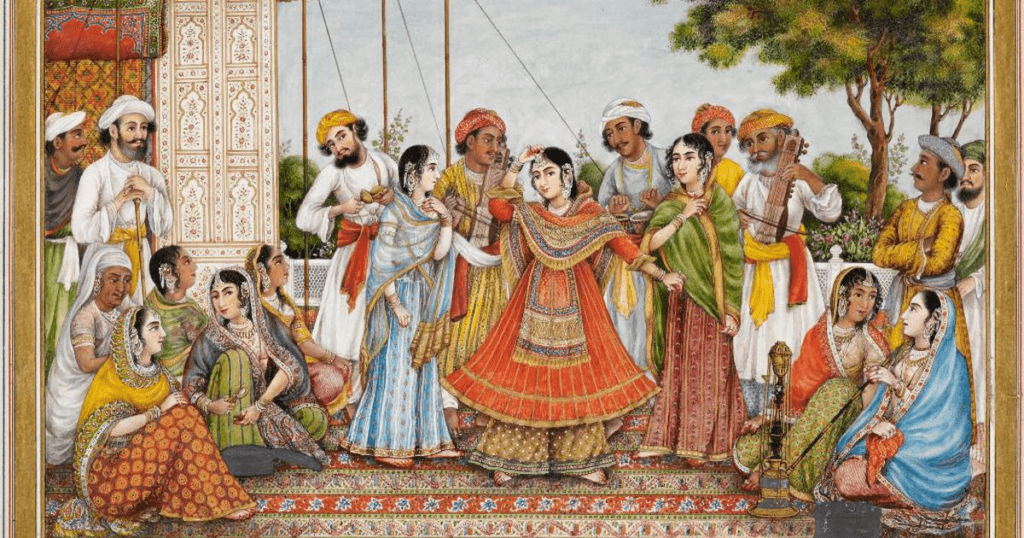
Ghalib’s fame grew in Delhi’s literary scene. Friends urged him to join the Red Fort. On Hakim Ahsanullah Khan’s advice, Bahadur Shah Zafar honored him in 1850 with titles and a 50-rupee monthly stipend.
He was tasked with chronicling the Timurid dynasty. When Mirza Fakhruddin became heir, his pay rose as Ghalib’s student.
Honors and Responsibilities
The court role brought stability. He penned history from Timur to Humayun.
This phase enriched मिर्जा गालिब की शायरी with royal insights.
Changes After 1854
Mirza Fakhruddin’s death in 1856 preceded the 1857 uprising. The fort fell, ending Ghalib’s pension and job.
The 1857 Uprising and Aftermath
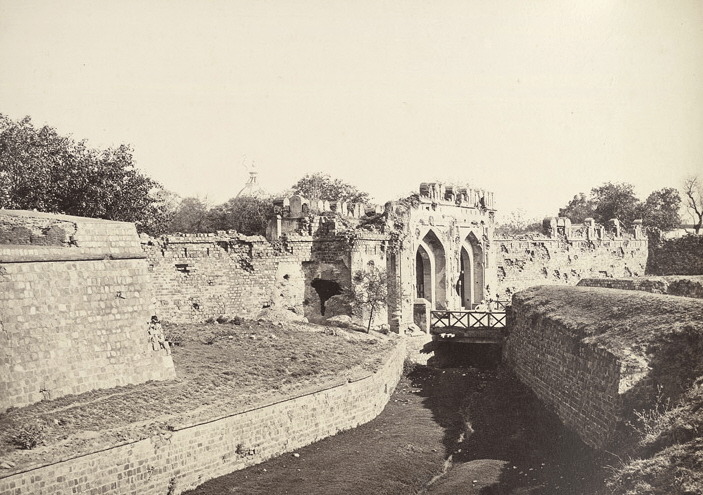
Ghalib documented the chaos in letters and “Dastambo”. Deprived of income, he wrote to Rampur’s Nawab Yusuf Ali Khan. A 100-rupee monthly aid sustained him till death.
The revolt’s horrors marked his later works. He witnessed Delhi’s transformation.
Documentation in Writings
“Dastambo” captures 1850-1857 events in Persian. His Urdu letters reveal personal turmoil.
These add depth to mirza ghalib shayari.
Final Days and Legacy
In old age, Ghalib’s hearing faded. Visitors wrote notes for replies. Fainting spells preceded a stroke. He died on February 15, 1869. Buried near Nizamuddin Auliya, close to Amir Khusro.
His grave draws admirers. Ghalib’s influence endures in Urdu poetry.
Health Decline
Deafness isolated him. Yet, he composed till the end.
Burial and Remembrance
Near saints, his resting place symbolizes spiritual ties.
Have you felt the pull of ghalib shayari? It mirrors life’s complexities.
Ghalib’s Literary Works
Ghalib authored extensively in Urdu and Persian. “Diwan-e-Ghalib” collects his Urdu ghazals, qasidas, qit’as, and rubaiyat.
“Dastambo” chronicles mid-19th century events. “Mehr-e-Neem Roz” covers Timurid history.
Key Urdu Compositions
“Ud-e-Hindi” and “Urdu-e-Mualla” compile letters. “Makatib Ghalib” features Rampur correspondence.
These showcase his prose mastery.
Persian Contributions
“Qate Burhan” critiques a dictionary. “Maykhana-e-Arzoo” and “Sabd-e-Cheen” gather poems.
“Dirafsh-e-Kaviyani” expands earlier works. “Dua-e-Sabah” versifies a prayer.
Mirza Ghalib’s Major Works
| Work Title | Language | Description | Year Published |
| Diwan-e-Ghalib | Urdu | Collection of ghazals, qasidas, and rubaiyat | Various editions |
| Dastambo | Persian | Account of 1850-1857 events | 1858 |
| Mehr-e-Neem Roz | Persian | History from Timur to Humayun | N/A |
| Qate Burhan | Persian | Critique of a Persian dictionary | 1861 |
| Maykhana-e-Arzoo | Persian | Early Persian poetry collection | 1845 |
| Sabd-e-Cheen | Persian | Additional Persian verses | 1867 |
| Ud-e-Hindi | Urdu | Compilation of Urdu letters | 1868 |
| Urdu-e-Mualla | Urdu | More Urdu letters | 1869 |
| Makatib Ghalib | Urdu | Letters to Rampur court | 1937 |
| Nakat Ghalib & Ruqaiyat Ghalib | Mixed | Grammar and selected letters | N/A |
| Qadir Nama | Persian-Urdu | Short treatise for children | N/A |
Poetic Style and Unique Expression
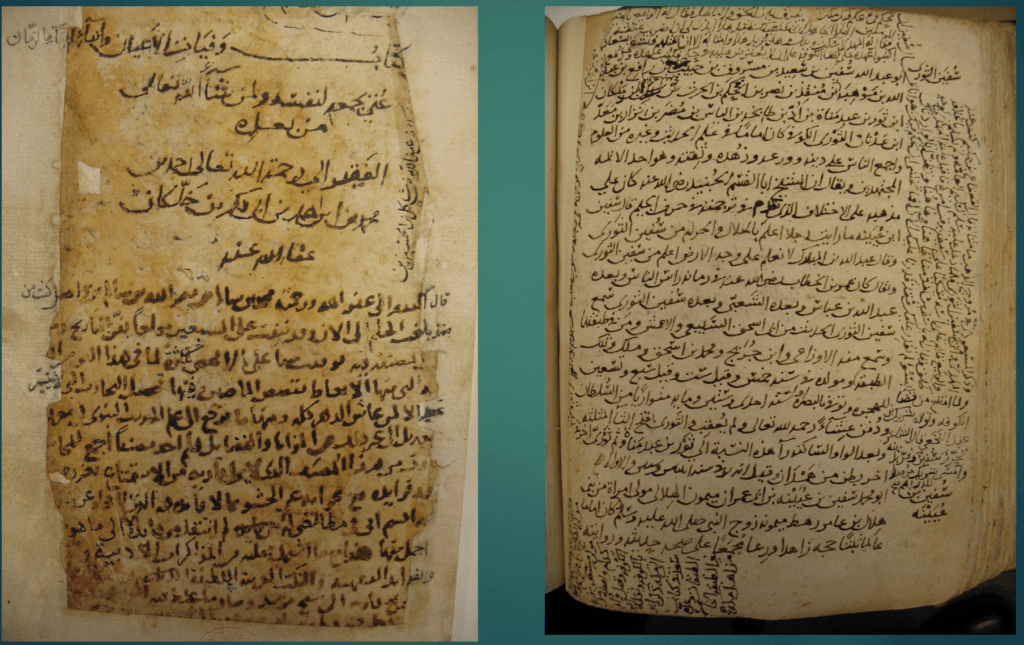
Ghalib’s poetry stands out for its depth. His ghazals touch human emotions vividly. Take this famous sher: “Hazaaron khwahishen aisi ke har khwahish pe dam nikle, Bahut nikle mere armaan lekin phir bhi kam nikle.” It captures endless desires and unfulfilled yearnings.
What sets mirza ghalib shayari apart? His way of presenting ideas draws readers in. He knew his style was distinct, as in: “Hain aur bhi duniya mein sukhanwar bahut achhe, Kehte hain ke Ghalib ka hai andaaz-e-bayaan aur.”
Ghalib moved beyond complex Persian influences. His later works shine with simplicity and beauty.
Mastery in Ghazal Form
He handled tough themes with ease. Verses like “Hawas ko hai nishaat-e-kaar kya kya, Na ho marna to jeene ka maza kya” question life’s joys.
His shayari blends intellect and feeling. It makes ordinary topics fresh.
Innovative Use of Language
Ghalib twisted common phrases into profound insights. His wordplay adds layers to each line.
This innovation defines ग़ालिब की शायरी.
Themes of Beauty and Love
Love dominates Ghalib’s verses. He portrays beauty in nature and beloveds. Sher like “Jab woh jamaal-e-dil faroz soorat-e-mehr-e-neem roz, Aap hi ho nazara soz parda mein munh chhupaye kyon” evoke mystery.
He sees divine power in everyday sights: “Woh aaye ghar mein hamare khuda ki qudrat hai, Kabhi hum unko kabhi apne ghar ko dekhte hain.”
Depictions of Beloved’s Charm
Ghalib uses metaphors richly. Lines describe allure with subtlety.
His love shers mix admiration and longing.
Integration of Aesthetics
Beauty ties to deeper emotions. He crafts images that linger.
This approach enriches mirza ghalib ki shayari.
Exploration of Passion and Madness
Passion in Ghalib’s work is universal. He draws from legends like Farhad and Majnu. Sher: “Waye diwangi-e-shauq ke har dam mujhko, Aap jana udhar aur aap hi hairaan hona.”
He critiques others’ love while elevating his: “Main ne Majnu pe ladakpan mein Asad, Sang uthaya tha ke sar yaad aaya.”
Shades of Devotion
Love brings ecstasy and pain. “Aashiqi sabr talab aur tamanna betaab, Dil ka kya rang karun khoon-e-jigar hone tak.”
Ghalib shows love’s extremes through characters.
Critique of Traditional Lovers
He mocks Farhad as a laborer: “Ishq o mazdoori ishratgah-e-Khusro kya khoob, Hum ko tasleem-e-nikonaami Farhad nahi.”
Such wit adds edge to ghalib ki shayari.
Why does love consume so completely in his verses? It mirrors life’s dualities.
Wit and Satire in Verses
Ghalib’s humor shines through. He jests at himself, society, even God. Sher: “Pakde jaate hain farishton ke likhe par na-haq, Aadmi koi hamara dam-e-tahreer bhi tha?”
He questions paradise: “Hum ko maloom hai jannat ki haqiqat lekin, Dil ke khush rakhne ko Ghalib yeh khayal achha hai.”
Playful Interactions with Divine
Verses tease faith lightly. “Khuda ke waaste parda na Kaaba ka utha waiz, Kahin aisa na ho yahan bhi wohi kaafir sanam nikle.”
His satire stems from sharp intellect.
Social Commentary Through Humor
Ghalib laughs at life’s absurdities. This lightness hides deeper sorrows.
It makes मिर्जा गालिब की शायरी relatable.
Philosophical Depth and Reflections
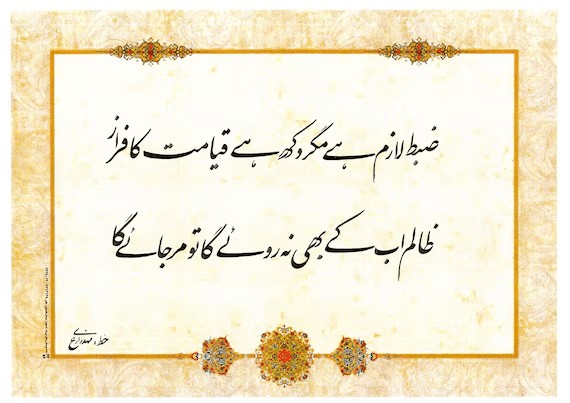
Ghalib probes existence. His shers ponder life, death, universe. “Raat din gardish mein hain saat aasman, Ho rahega kuch na kuch ghabrayen kya?”
He contemplates mortality: “Gham-e-hasti ka Asad kis se ho juz marg ilaaj, Shama har rang mein jalti hai sahar hone tak.”
Existential Queries
Verses like “Na tha kuch to Khuda tha, Kuch na hota to Khuda hota, Duboya mujhko hone ne, Na hota main to kya hota” question being.
Ghalib’s thought elevates his work.
Mystical Elements
Influenced by Bedil, he explores unity: “Dahr juz jalwa-e-yaktai ma’shuq nahi, Hum kahan hote agar husn na hota khud-been.”
Though not a strict Sufi, his mysticism adds grandeur.
Human Emotions and Society
Ghalib captures raw feelings. “Ranj se khoogar hua insaan to mit jata hai ranj, Mushkilen mujh par padi itni ke aasaan ho gayin.”
He notes humanity’s struggles: “Bas ke dushwar hai har kaam ka aasaan hona, Aadmi ko bhi mayassar nahi insaan hona.”
Portrayal of Inner Conflicts
His shers reflect joy, grief, resilience.
This emotional range defines ghalib shayari.
Societal Insights
Verses comment on norms subtly.
They remain timeless.
Enduring Appeal of Ghalib’s Poetry
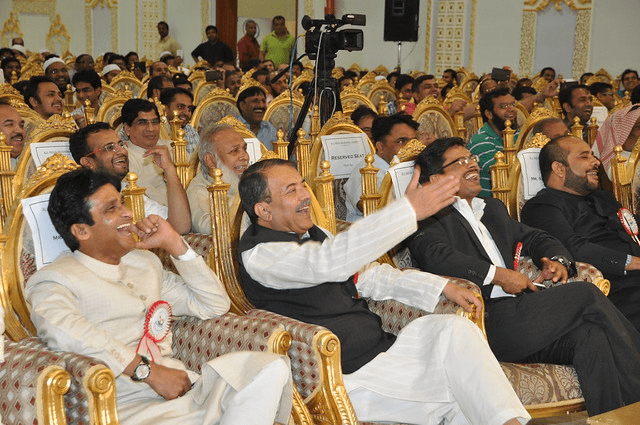
Ghalib’s shayari endures for its honesty. It touches universal truths. Readers find personal echoes in his words.
His blend of wit, philosophy, love creates magic. Generations cherish it.
Influence on Urdu Literature
Ghalib shaped modern poetry. His style inspires poets.
Global Recognition
Translations spread his genius worldwide.
Ghalib’s voice speaks across eras.
Ghalib Shayari
Ghalib’s poetry covers diverse motifs. Here are major ones:
- Love and Longing: Explores passion’s highs and lows.
- Wit and Irony: Uses humor to critique life.
- Philosophy and Existence: Questions reality and purpose.
- Beauty and Aesthetics: Celebrates visual and emotional allure.
- Mysticism and Unity: Touches spiritual oneness.