Diwali is one of the most widely observed festivals in India, cutting across regions, languages, and religious traditions. When people ask why Diwali is celebrated, they are not looking for a single answer. The meaning of the festival unfolds through layered histories, regional memories, and shared social practices that have evolved over centuries. The diwali story combines myth, ritual, economy, and everyday life into a single calendar moment that feels both ancient and current.
At its core, Diwali is linked to ideas of renewal, prosperity, and moral order. Light becomes a symbol that moves beyond ritual lamps and enters social imagination. Why we celebrate Diwali is tied to how Indian society has historically marked transitions: from harvest to rest, from debt to new accounts, from exile to return, and from darkness to clarity. These themes appear repeatedly across traditions and regions.
Origins of Diwali in the Indian Calendar
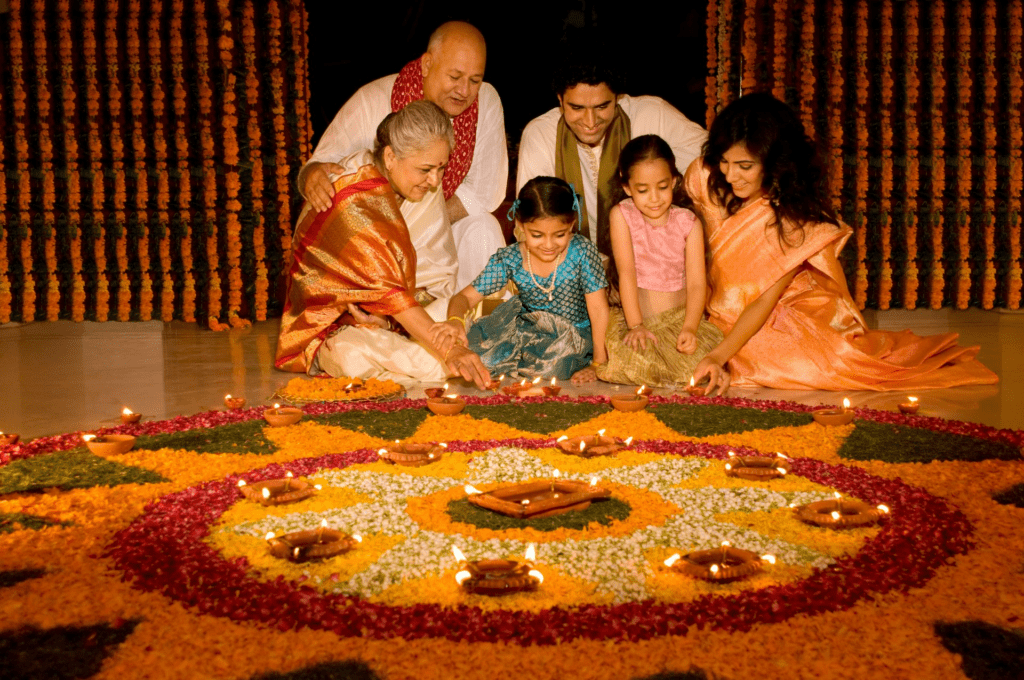
Diwali falls in the Hindu lunisolar months of Ashwin and Kartik, usually in late October or early November. This timing places the festival after the monsoon and the main harvest season, a moment when communities pause and reassess their material and spiritual balance. Why is diwali celebrated at this specific time? The calendar position itself reflects cycles of agriculture, trade, and ritual renewal.
The term Deepavali comes from words meaning lamp and row, pointing to the visual language of light that defines the festival. Long before standardized national celebrations, local communities marked this period with lamps, offerings, and communal gatherings. Over time, these practices merged into what is now recognized as Diwali across India.
Diwali Story in Hindu Traditions
The most widely known diwali story in northern and western India comes from the Ramayana. It tells of Rama’s return to Ayodhya after years of exile and conflict. The lighting of lamps is remembered as a collective welcome, transforming private homes into a shared public gesture. This story explains why we celebrate Diwali as a moment of rightful return and restored order.
In other Hindu narratives, the meaning shifts without losing its core. In southern India, Diwali is linked to Krishna’s victory over Narakasura, focusing on liberation from fear and oppression. These stories answer why diwali is celebrated not as a single event but as a moral framework that can adapt to local histories.
Diwali Beyond a Single Epic
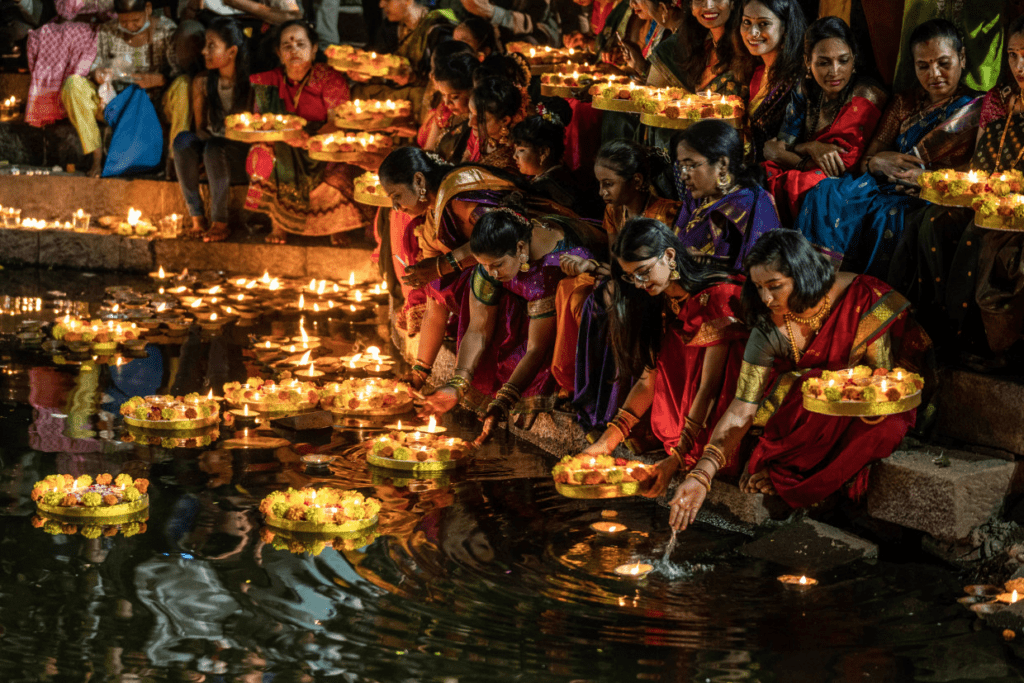
Asking why is diwali celebrated also means recognizing that no single text defines the festival. Different regions and communities preserved their own explanations. The festival absorbed multiple strands of belief, allowing it to remain relevant across centuries. This flexibility is one reason Diwali continues to feel alive rather than fixed in the past.
Across India, the festival became associated with prosperity, ethical conduct, and social harmony. Light symbolized clarity of intent as much as ritual purity. Could a festival survive this long without adapting to changing realities?
Diwali and Economic Renewal
For trading and business communities, Diwali marks the beginning of a new financial year. Account books are closed and reopened, symbolizing both trust in continuity and readiness for risk. This practice answers another dimension of why we celebrate Diwali: it aligns spiritual ideas with economic life.
On this day, markets pause and then resume with symbolic first transactions. The ritual acknowledges uncertainty while affirming optimism. It is no coincidence that gambling, both formal and informal, became part of Diwali night in many regions. Risk, chance, and reward mirror broader economic rhythms.
The Five-Day Structure of Diwali
Diwali is not a single day but a sequence of five, each with its own focus and memory. This structure explains why diwali is celebrated as a process rather than an event.
- Dhanteras emphasizes wealth, health, and preparation
- Naraka Chaturdashi focuses on cleansing and protection
- Diwali centers on light, prosperity, and communal joy
- Govardhan Puja or related observances highlight sustenance and balance
- Bhai Dooj celebrates family bonds and mutual responsibility
Each day reinforces a different social value, making the festival comprehensive rather than symbolic alone.
Diwali Across Religions in India
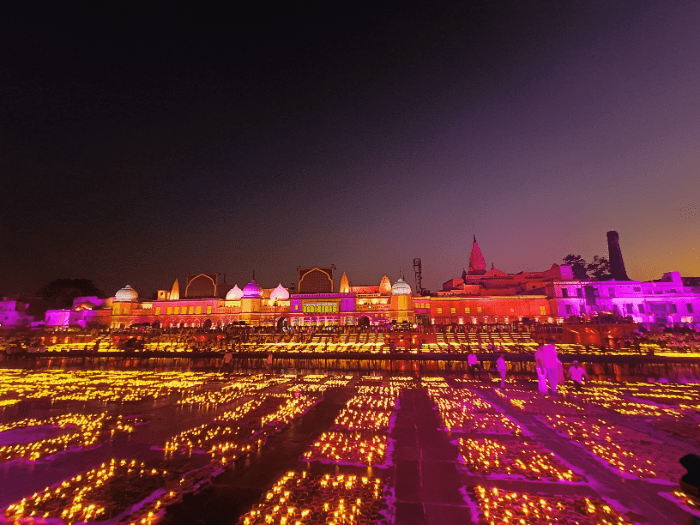
Why we celebrate Diwali cannot be separated from India’s religious diversity. Jain communities observe the festival as a moment of spiritual liberation, while Sikh traditions connect it to historical freedom and collective memory. These interpretations shift the focus from myth to lived history without breaking the festival’s rhythm.
Among Buddhist communities in the Himalayan regions, Diwali-like celebrations reflect shared cultural space rather than doctrinal alignment. This layered participation shows how Diwali functions as a cultural framework open to reinterpretation.
Regional Expressions of Diwali
The way Diwali is celebrated changes across India. In eastern regions, the festival emphasizes powerful goddess traditions, while in southern states it often centers on early-morning rituals and family gatherings. These variations answer why diwali is celebrated differently without challenging its unity.
Below is a simplified overview of regional emphasis:
| Region | Focus of Diwali |
| North India | Return, kingship, public celebration |
| South India | Liberation, early rituals |
| East India | Goddess worship |
| West India | Trade, finance, community |
This diversity strengthens the festival rather than fragmenting it.
Why Diwali Still Matters Today
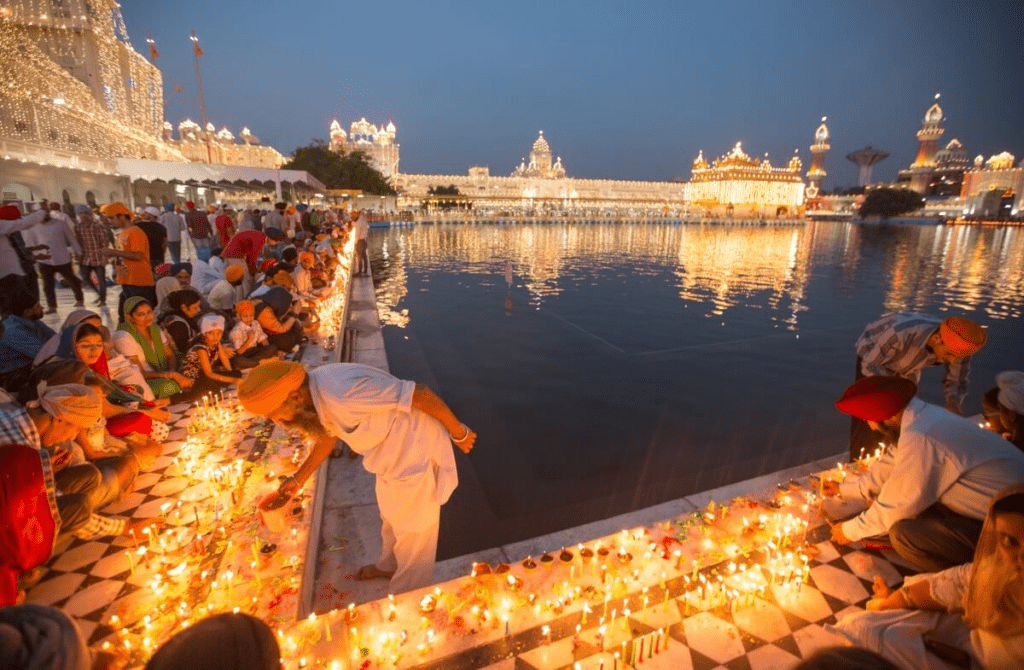
In contemporary India, Diwali connects personal memory with collective rhythm. Homes are cleaned, relationships renewed, and boundaries softened. Why is diwali celebrated generation after generation? Because it allows society to pause, reflect, and reset without losing continuity.
As cities grow louder and faster, the simple act of lighting a lamp still carries meaning. It is not nostalgia but recognition. What does light mean if not the promise that order can be restored again?
Diwali in Global Indian Communities
As Indian communities migrated across continents, Diwali traveled with them. The festival adapted to new legal, social, and cultural environments while preserving its core symbols. Why we celebrate Diwali outside India often reflects the need to maintain identity in unfamiliar spaces. Public celebrations, shared meals, and lamps placed in windows become signals of belonging.
In countries with large Indian populations, Diwali evolved into a cultural showcase rather than a private ritual. Streets, public transport, and community centers participate in the language of light. This transformation answers why diwali is celebrated not only as faith, but as heritage passed through families and neighborhoods.
Diwali and Social Bonds
One reason why diwali is celebrated so deeply is its role in repairing social ties. Visits, gifts, and shared meals are not symbolic extras; they are structural elements of the festival. Disputes are often set aside, and relationships are renewed through deliberate gestures.
Family rituals during Diwali reinforce intergenerational continuity. Elders transmit stories, while younger members reinterpret customs. This flow keeps the diwali story flexible and alive rather than frozen in a single narrative.
The Role of Light as a Cultural Symbol
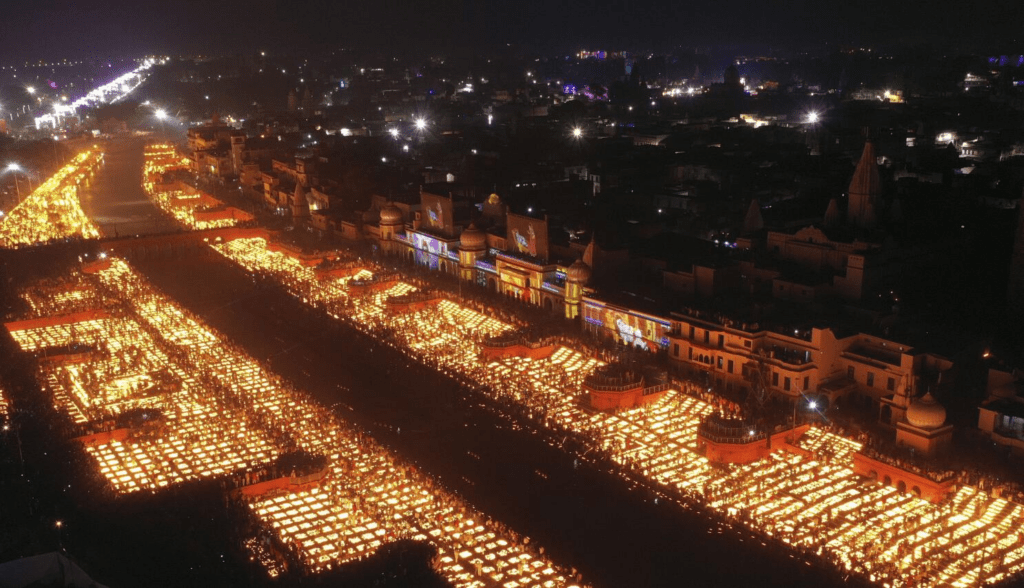
Light in Diwali is not decorative alone. It represents vigilance, awareness, and shared responsibility. When entire neighborhoods are illuminated, private actions become collective expression. Why is diwali celebrated with light instead of words? Because light communicates instantly across language, class, and belief.
Even as electric lights replace oil lamps, the symbolism remains intact. The act of illumination becomes a statement of presence and intention rather than a technical choice.
Environmental and Ethical Shifts
In recent years, Diwali practices have adjusted to environmental concerns. Firecrackers, once central to celebration, are now debated and regulated. This shift reveals why we celebrate Diwali as a living tradition rather than a rigid one.
Communities increasingly emphasize lamps, shared food, and local gatherings over noise and spectacle. The festival absorbs ethical reflection without losing its emotional center.
Diwali in Popular Culture and Media
Cinema, television, and advertising have reshaped how Diwali is perceived. The festival often appears as a backdrop for reconciliation, success, or emotional climax. This representation reinforces why diwali is celebrated as a symbol of resolution and abundance.
Media does not create the meaning of Diwali but amplifies existing associations. The festival becomes a shared reference point, instantly recognizable across generations and regions.
Why We Celebrate Diwali Across Time
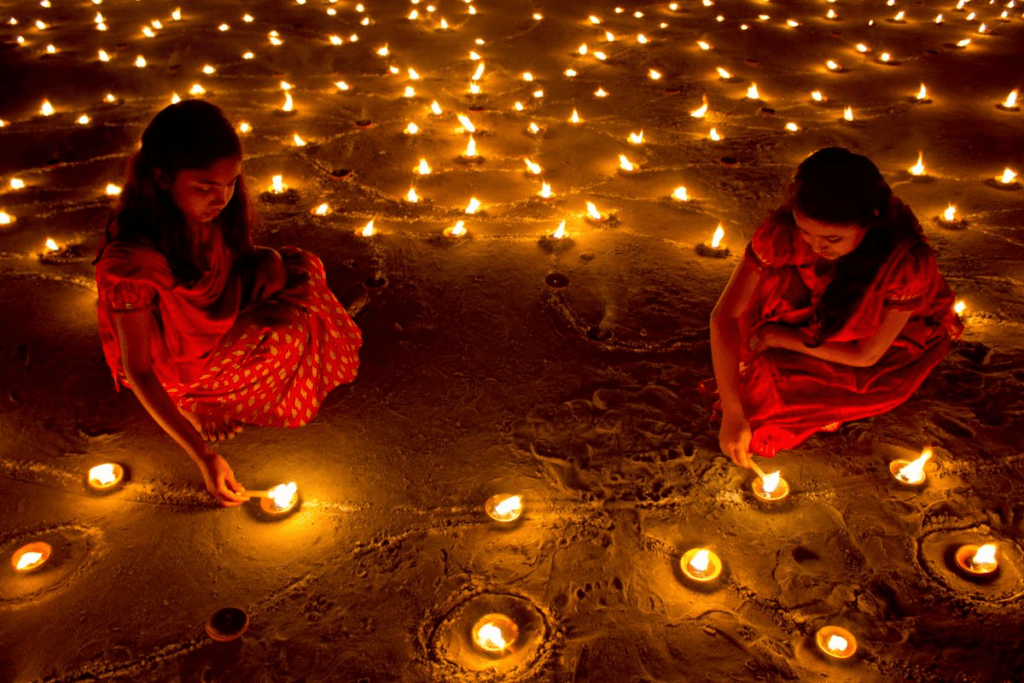
Looking across history, religion, economy, and daily life, the question remains: why is diwali celebrated with such persistence? The answer lies in its ability to unite contrast. It balances faith and pragmatism, joy and discipline, risk and renewal.
Diwali does not demand uniform belief. It invites participation through action. Lighting a lamp, sharing food, or opening a new account becomes a way to engage with continuity itself.
Diwali as a Cultural Framework
Rather than a single story, Diwali operates as a framework that holds many meanings at once. This explains why the diwali story can differ without conflict. Each version contributes to a larger structure that supports diversity within unity.
As long as societies need moments of reset, Diwali will remain relevant. Light will continue to mark not just celebration, but intention.
Enduring Meaning of Diwali
Ultimately, why we celebrate Diwali comes down to recognition. Recognition of effort after struggle, of order after uncertainty, and of connection after distance. The festival offers reassurance without denying complexity.
When lamps are lit year after year, they do more than decorate space. They affirm a shared understanding that renewal is always possible.