
Introduction to the Konark Sun Temple
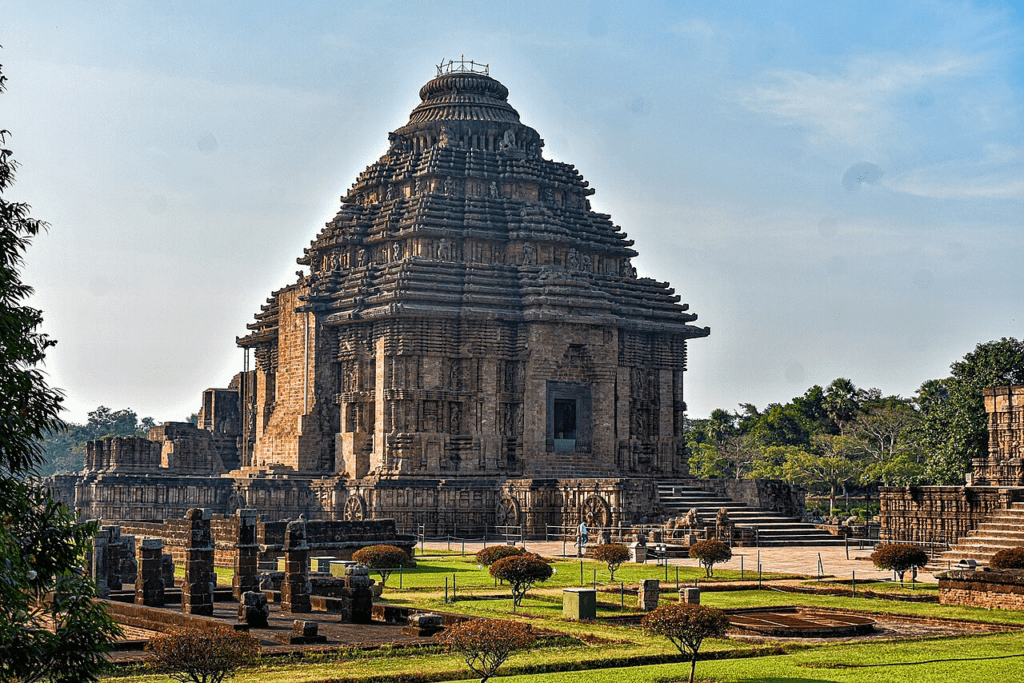
The konark sun temple, known locally as कोणार्क सूर्य मंदिर, stands as a timeless testimony to India’s architectural brilliance and spiritual depth. Built in the 13th century by King Narasimhadeva I of the Eastern Ganga dynasty, this UNESCO World Heritage Site continues to amaze visitors with its symbolic layout, intricate carvings, and mythological roots.
From the very first step inside konark sun temple, you don’t just see stone — you witness a cosmic vision carved in laterite and chlorite. But how was this grandeur achieved? Why is it shaped like a chariot? And what secrets lie inside konark sun temple that still fascinate historians and pilgrims alike?
Konark Temple as a Celestial Chariot
The entire temple was designed as a massive solar chariot pulled by seven horses and resting on twelve exquisitely carved pairs of wheels. This isn’t just architecture — it’s cosmology in stone.
Symbolism Behind the Chariot
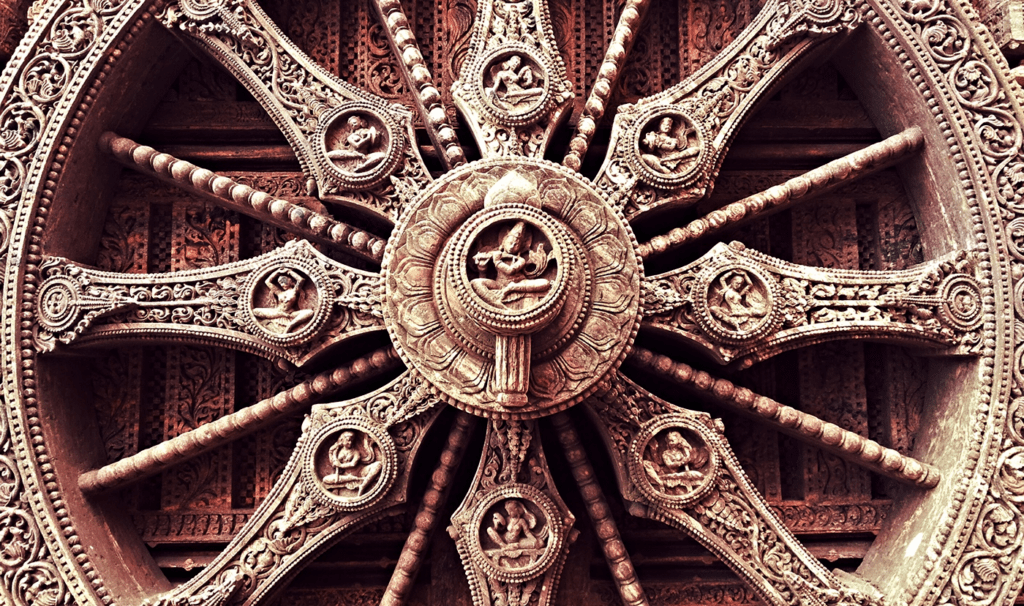
- The seven horses represent the days of the week and the passage of time
- The twelve wheels symbolize the months or zodiac signs
- The east-facing orientation ensures the temple captures the first rays of sunrise, offering devotion to the Sun God — Surya
Artistic Mastery in the Wheels
Each wheel is not just decorative but functional — believed to serve as sundials. You can actually tell the time using the shadow cast by the wheels. Isn’t that remarkable?
Exploring the Temple Layout
The layout includes three main structures:
- Sanctum (Deul)
- Jagamohana (Assembly Hall)
- Nata-Mandira (Dance Hall)
Today, only the Jagamohana stands with its roof intact. But even in ruins, the architecture evokes awe.
Jagamohana: Surviving Glory
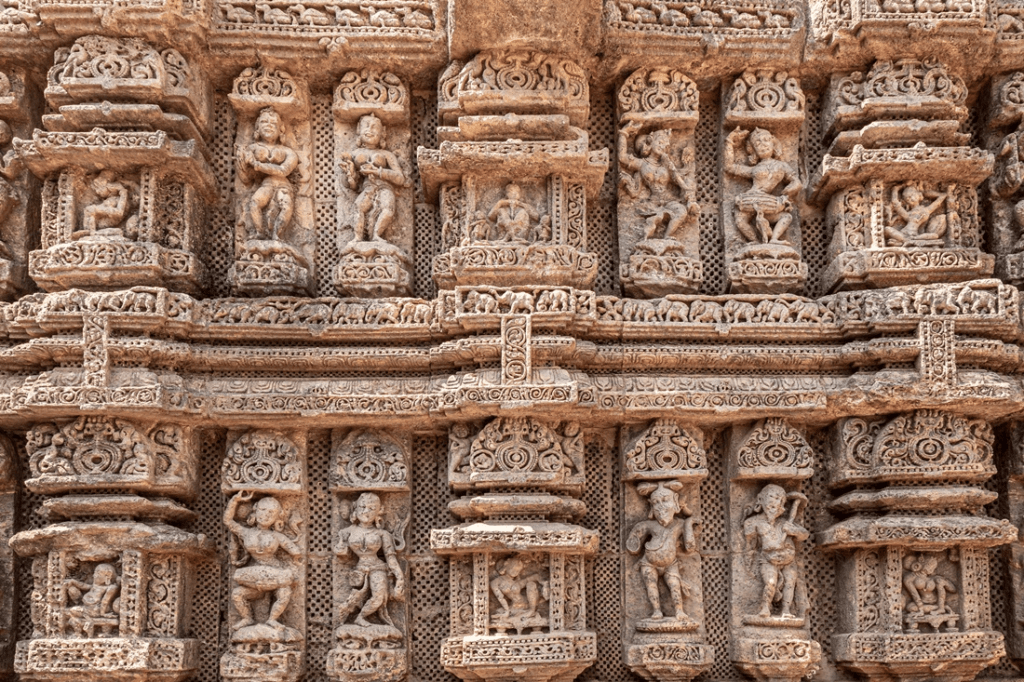
This 30-meter-high hall features life-sized female sculptures, meticulously detailed and symmetrically arranged across three horizontal tiers.
Sanctum: Sun God in Three Forms
The sanctum had images of Lord Surya on its three main projections, each enclosed in a miniature shrine. Unfortunately, the roof and much of the structure have collapsed, but what remains still radiates divine energy.
Erotic Sculptures and Spiritual Symbolism
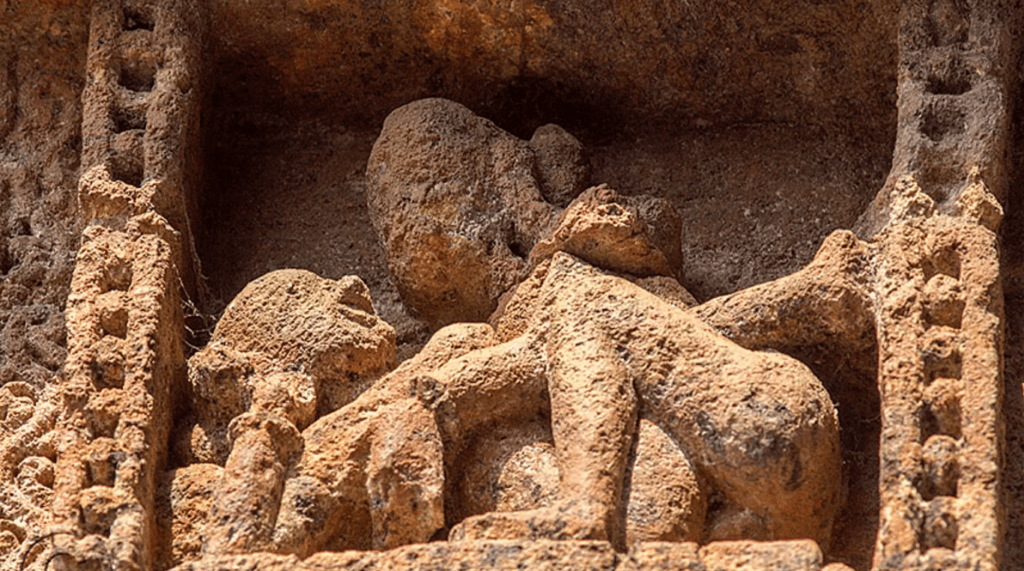
Among the many carvings, one set often sparks curiosity — the erotic sculptures adorning several parts of the structure.
Why Erotic Art?
- These represent Tantric traditions
- Symbolize the cycle of life and the union of human and divine
- Serve as a celebration of vitality, consistent with sun worship
Such artistic expression is also found in temples like Khajuraho, showing that spirituality in India embraces all aspects of life.
Mayadevi Temple: The Forgotten Shrine
West of the main structure lies a smaller temple — often overlooked but historically crucial.
Architectural Details
- Known as Temple No. 2
- Believed to be dedicated to Mayadevi, one of Surya’s wives
- Pre-dates the main sun temple and contains sun images as parsvadevatas
Though the sanctum and porch roofs are missing, the interior sculptural work remains breathtaking.
Vaishnava Temple: Another Layer of Faith
To the southwest stands a modest brick structure, discovered in 1956.
Excavation Reveals Vaishnava Roots
- Called Temple No. 3, built in the 11th century
- Lacks external decoration but yielded images of Balarama, Varaha, and Trivikrama
- Currently preserved at the Archaeological Museum, Konark
Isn’t it fascinating how a single complex hosts layers of faith and time?
What’s Inside Konark Sun Temple Today?
You might wonder: what is actually inside konark sun temple now?
Present-Day Interior
- The sanctum is hollow — no deity remains inside
- The Jagamohana interior showcases large pillars and intricate motifs
- The atmosphere inside konark sun temple is calm yet powerful, echoing centuries of devotion
Visitors often report feeling a strange mix of awe and stillness.
Konark Sun Temple Photos: Visual Journey
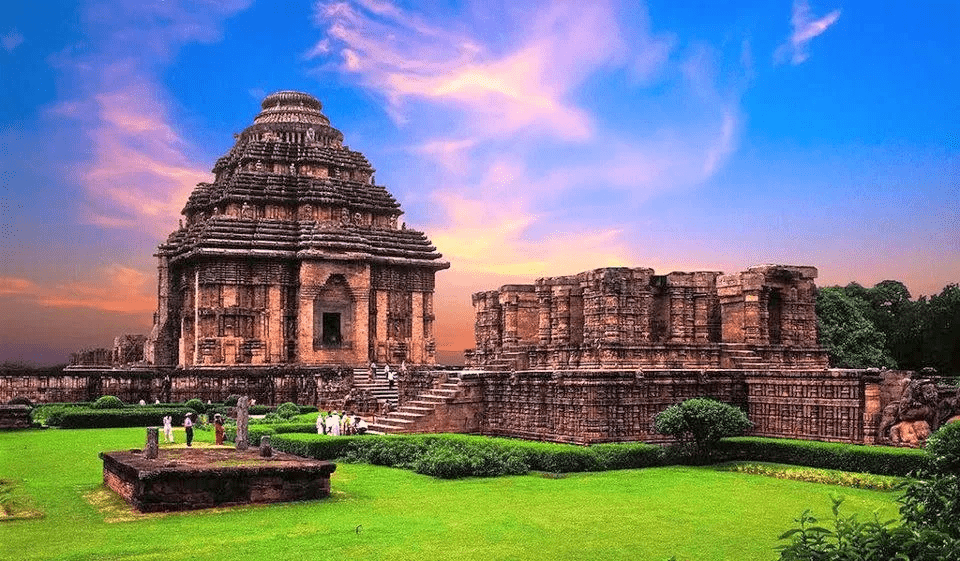
You don’t have to imagine the beauty — konark sun temple photos offer a glimpse of the grandeur.
Best Angles to Capture
- East side at sunrise
- Detail of the chariot wheels
- Erotic panels on the northern wall
- The surviving horses at the base of the platform
Want Instagram-worthy shots? Come early morning or golden hour for the best light.
Konark Sun Temple Timings and Tickets
Planning a visit? Here’s everything you need to know:
Entry Details
- Open hours: 6 AM – 8 PM daily
- Best time to visit: October to February (pleasant weather)
konark sun temple tickets
| Ticket Type | Price (INR) | Notes |
| Indian Citizens | ₹40 | Includes access to outer compound |
| Foreign Nationals | ₹600 | Higher due to archaeological value |
| Children <15 | Free | Must be accompanied by adults |
| Camera Use | ₹25 | For still photography only |
Reaching Konark: Travel Tips
Located in Odisha’s Puri district, Konark is easily accessible via road and rail.
How to Get There
- Nearest Airport: Biju Patnaik International Airport, Bhubaneswar (65 km)
- By Road: Well-connected to Puri and Bhubaneswar
- By Rail: Puri Station is the closest major stop
From Puri, you can take a taxi or local bus — perfect for a day trip!
Local Legends and Myths
Like any Indian temple, Konark has its share of legends.
One Famous Tale
It’s said the temple was built using a magnetic lodestone at its core, which caused ships to lose navigation. Sailors referred to it as the “Black Pagoda.”
Do you think these stories are myths — or ancient science?
Festivals at Sun Temple Konark
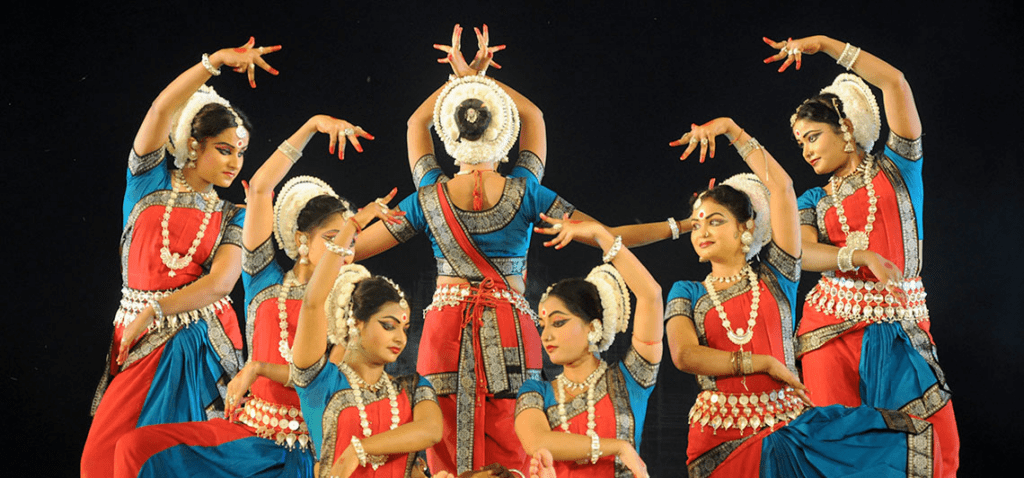
The site isn’t just stone and silence — it comes alive during festivals.
Must-Attend Events
- Konark Dance Festival (December): Showcasing classical Indian dance forms against the temple backdrop
- Chandrabhaga Mela: Held in February, draws thousands of pilgrims
These events blend art, devotion, and history, celebrating the temple’s legacy.
Why Visit Konark Sun Temple Today?
The sun temple of konark is more than ruins — it’s a reminder of India’s creative and spiritual heights.
- Experience world-class stonework
- Witness history that speaks
- Feel the power of Surya radiating from every carving
Conservation and Challenges Faced by Konark Temple
While the majesty of konark mandir captivates visitors, the site faces serious threats from time and weather.
Structural Damages
- The sanctum roof has collapsed
- Many carvings have eroded due to moisture and sea breeze
- Vandalism and theft in earlier centuries also contributed to loss
To protect the remaining structures, the ASI (Archaeological Survey of India) has reinforced several parts and even filled the main sanctum with sand to prevent further collapse.
Current Preservation Efforts
- Laser cleaning of sculptures
- Restriction of entry into fragile zones
- Guided routes for tourists to minimize impact
Isn’t it our duty to safeguard such treasures for future generations?
Practical Tips for Your Visit
Planning your trip to konark temple? A few tips will help you get the most from your experience.
What to Wear and Carry
- Comfortable shoes for walking across stone paths
- Hat or umbrella for sun protection
- Water bottle (no littering!)
- Mobile camera or DSLR (₹25 fee for still photography)
Local Amenities
- Clean toilets and rest benches available
- Guides speak Hindi, English, and Odia
- Wheelchair access in some areas
Always remember: respect the site, avoid touching the sculptures, and follow designated paths.
The Konark Archaeological Museum
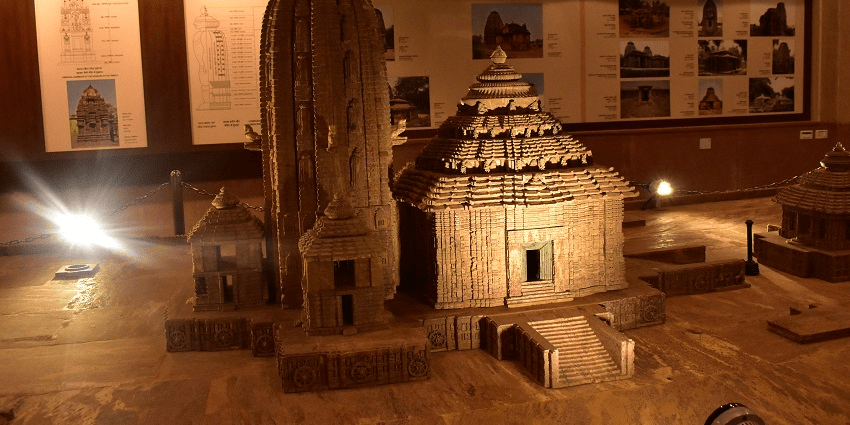
If you want to go deeper, don’t miss the museum managed by the ASI.
What You’ll Find
- Sculptures from Mayadevi and Vaishnava temples
- Panels with explanations in English and Hindi
- Miniature models of the full temple before collapse
- A quiet environment for detailed learning
Open daily except Fridays. Entry fee: ₹10.
Nearby Attractions to Complete Your Journey
After seeing the sun temple konark, you can explore more of Odisha’s rich heritage.
Where to Go Next
- Puri Jagannath Temple: One of the Char Dhams, just 35 km away
- Chandrabhaga Beach: A serene coastline just 3 km from Konark
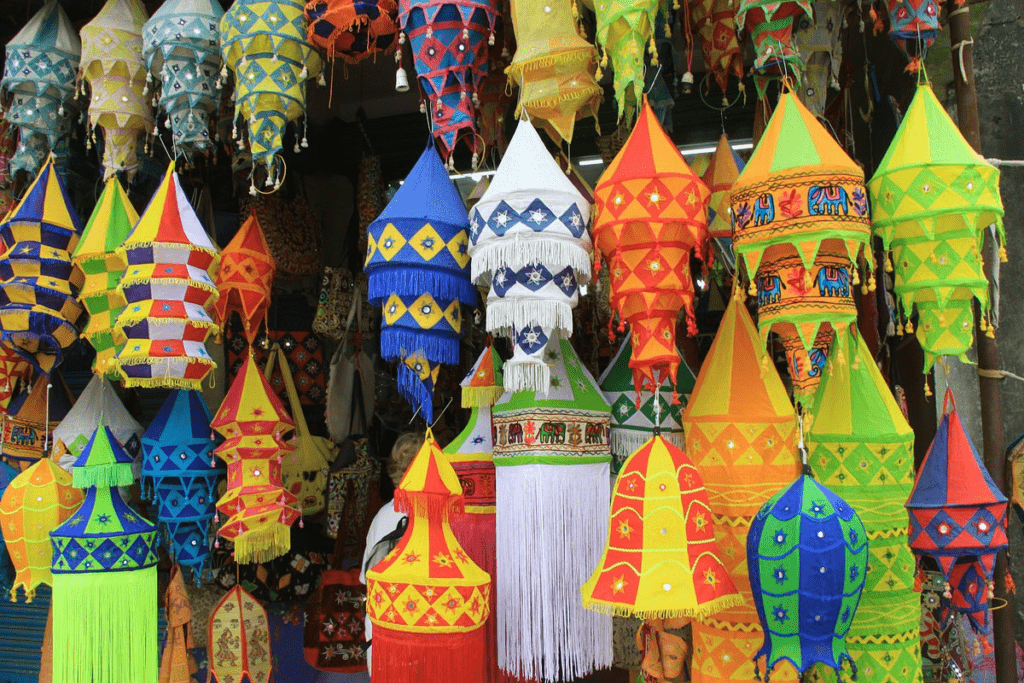
- Pipili Village: Famous for vibrant appliqué handicrafts
Make your journey spiritual, scenic, and colorful!
Sun Worship in Indian Culture
Konark isn’t the only tribute to Surya. Across India, sun worship has a deep-rooted legacy.
Other Famous Sun Temples
- Modhera Sun Temple (Gujarat): Known for its stepwell and solar alignment
- Martand Sun Temple (Kashmir): Ancient ruins of a once-grand structure
- Suryanar Temple (Tamil Nadu): Active worship continues here daily
From Kashmir to Kanyakumari, Surya has inspired devotion and architecture.
Quotes and Inscriptions
Many wonder if the konark surya mandir holds inscriptions or quotes.
Notable Engravings
- Royal patronage inscriptions from King Narasimhadeva I
- Depictions of courtly life, musicians, dancers, and warriors
- Sanskrit verses dedicated to the power of Surya
These silent messages speak volumes across time.
Why Konark Still Matters Today
So what keeps Konark relevant in 2026?
Its Legacy
- A marvel of science and faith
- A symbol of India’s syncretic artistic traditions
- A reminder of the glory once achieved through devotion and design
In school books, in cultural programs, in international tourism — Konark continues to shine.
Final Reflections
Visiting the konark sun temple isn’t just a tourist activity. It’s a step into history, a dialogue with stone, a moment of reverence.
Whether you’re there for the wheels, the Surya sculptures, or the silence — the temple leaves its mark.
क्या आप तैयार हैं कोणार्क की आत्मा को महसूस करने के लिए?
Konark Sun Temple Overview
| Element | Details |
| Location | Konark, Odisha, India |
| Built By | King Narasimhadeva I, 13th century |
| Main Deity | Surya (Sun God) |
| Architectural Style | Kalinga style, Chariot-shaped layout |
| UNESCO World Heritage Site | Yes (since 1984) |
| Timings | 6:00 AM – 8:00 PM |
| Entry Fee | ₹40 (Indians), ₹600 (foreigners), Free (<15 yrs) |
| Notable Features | 24 carved wheels, 7 horses, erotic sculptures, dance hall |
| Nearby Sites | Chandrabhaga Beach, Puri Temple, Pipili Village |
| Language Support | Hindi, English, Odia guides available |