Sex and Marriage in India: History and Social Evolution

Indian social life balancing tradition, intimacy, and family structure

Sex and Marriage in India: History and Social Evolution

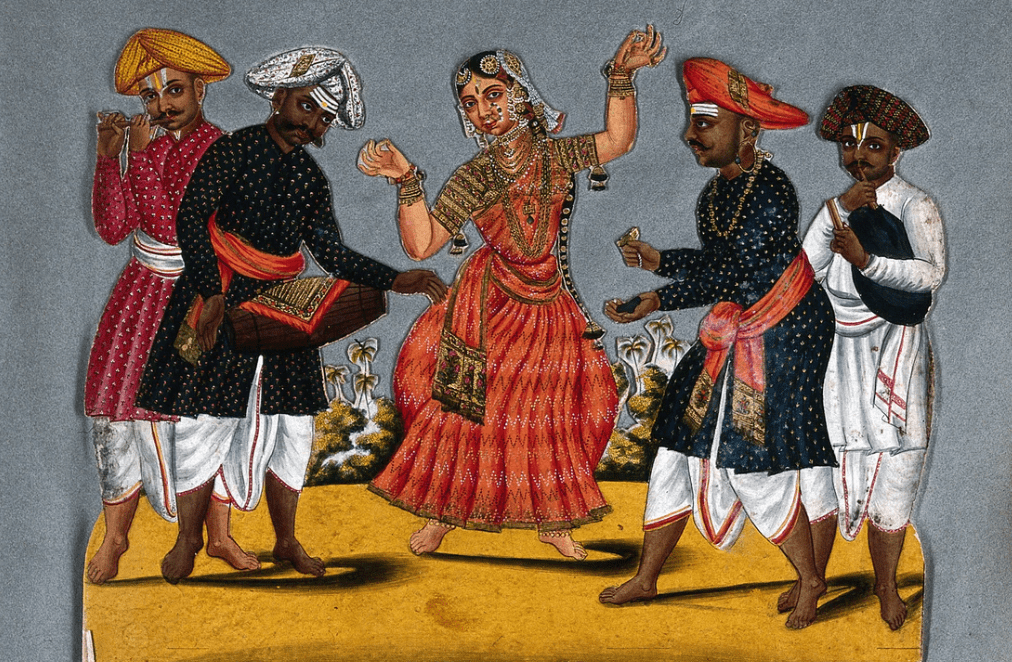
Ancient Indian Views on Sex and Marriage In early Indian civilization, sex and marriage were not treated as opposing ideas. They were seen as connected duties within a balanced life. Classical thought divided human purpose into dharma, artha, kama, and moksha, where kama referred to pleasure and emotional intimacy. Marriage was considered a sacred social … Read more
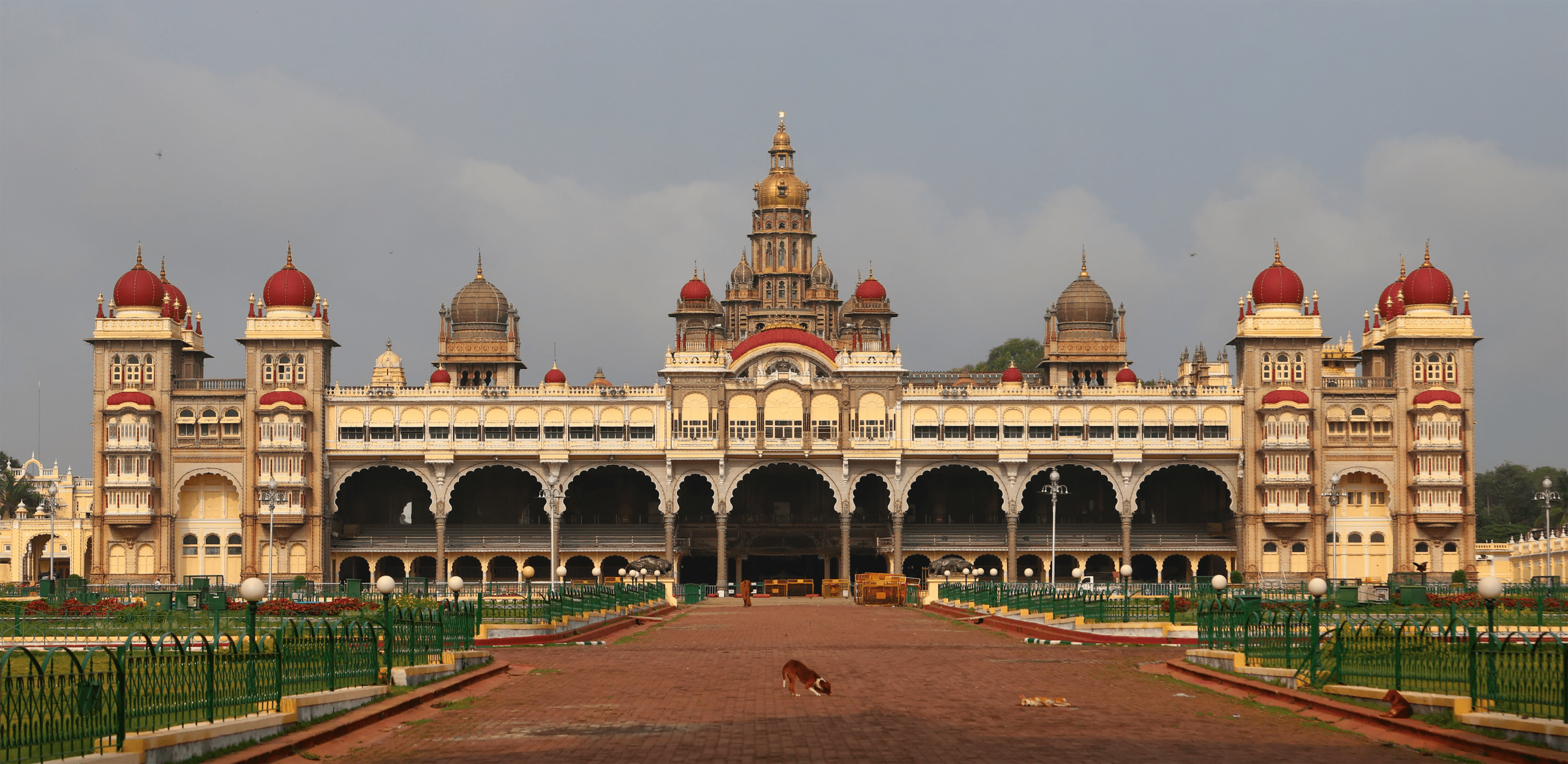

Majestic Mysore Palace exterior showcasing Indo Saracenic royal architecture in Karnataka

Journey Through the Magnificent Mysore Palace

Mysore Palace gleams as a jewel in Karnataka’s crown. This grand structure serves as the royal residence of the Wadiyar dynasty. Over centuries, it has witnessed rises, falls, and rebirths. Today, it attracts around 3.5 million visitors each year. Facing the Chamundi Hills, home to Goddess Chamundeshwari, the palace honors the dynasty’s deity. Built in … Read more

Millions of pilgrims gathered at sacred river during Kumbh Mela

Kumbh Mela: Where Ritual, Society, and Spiritual Time Converge

What Is कुम्भ मेला? India’s कुम्भ मेला (Kumbh Mela) is more than a festival. It is a saamaajaik utsav (सामाजिक उत्सव), a social ritual of cosmic scale that brings together millions of people from all walks of life for sacred bathing (snan), spiritual debate, and cultural expression. Held at four key riverbanks—Prayagraj, Haridwar, Ujjain, and … Read more

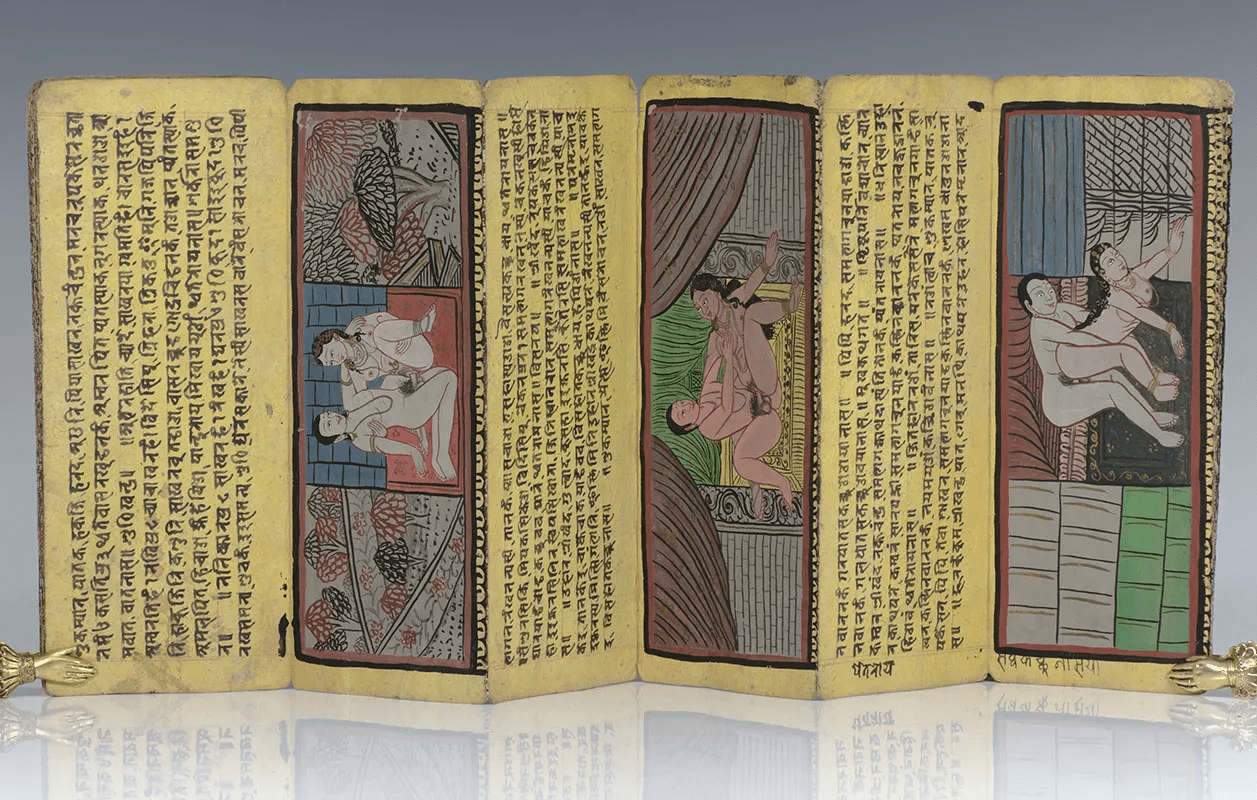
Ancient Kama Sutra manuscript reflecting Indian philosophy of desire and balance

Kama-Sutra of Vatsyayana: Meaning, Structure, and Legacy

Who Was Vatsyayana? The Kama-Sutra, or कामसूत्र, was composed by Vatsyayana Mallanaga, likely between the 3rd and 5th centuries CE during the Gupta period—often seen as a golden age of Indian culture. Life and Context Though little is known about Vatsyayana personally, he identifies himself as a celibate philosopher writing the text not to promote … Read more

Aviator crash-game

Aviator Game: From Dice of Destiny to Digital Skies

The Ancient Pulse of Chance Long before smartphones, India’s cultural imagination was shaped by risk, fate, and games of chance. The first major portrayal of gambling appears in the महाभारत (Mahabharata), where Yudhishthira stakes his kingdom, brothers, and wife in a game of dice (अक्ष) — a contest that determined the destiny of an entire … Read more

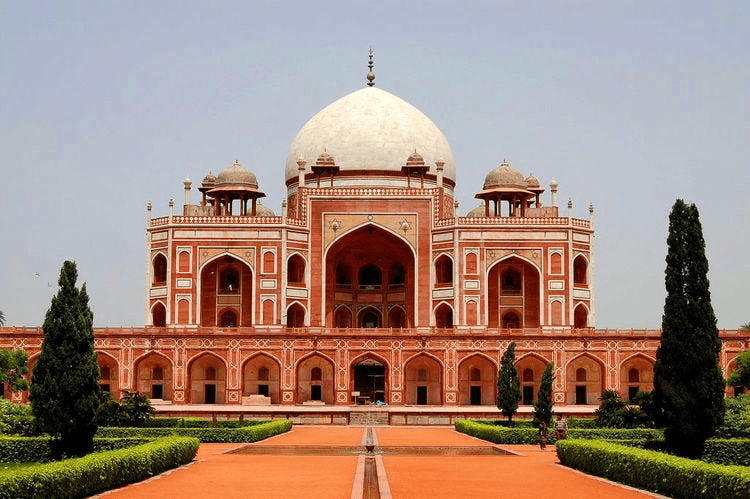
Panoramic view of Humayun Tomb showcasing early Mughal architectural grandeur

Humayun Tomb: Mughal Architecture’s First Grand Statement

The Emperor’s Death and a Widow’s Vision In 1556, the Mughal Emperor Humayun died suddenly after a fall from the steps of his library. Fourteen years later, his wife Hamida Banu Begam, also known as Haji Begam, initiated the construction of his tomb in Delhi. A Personal and Political Act This was more than an … Read more

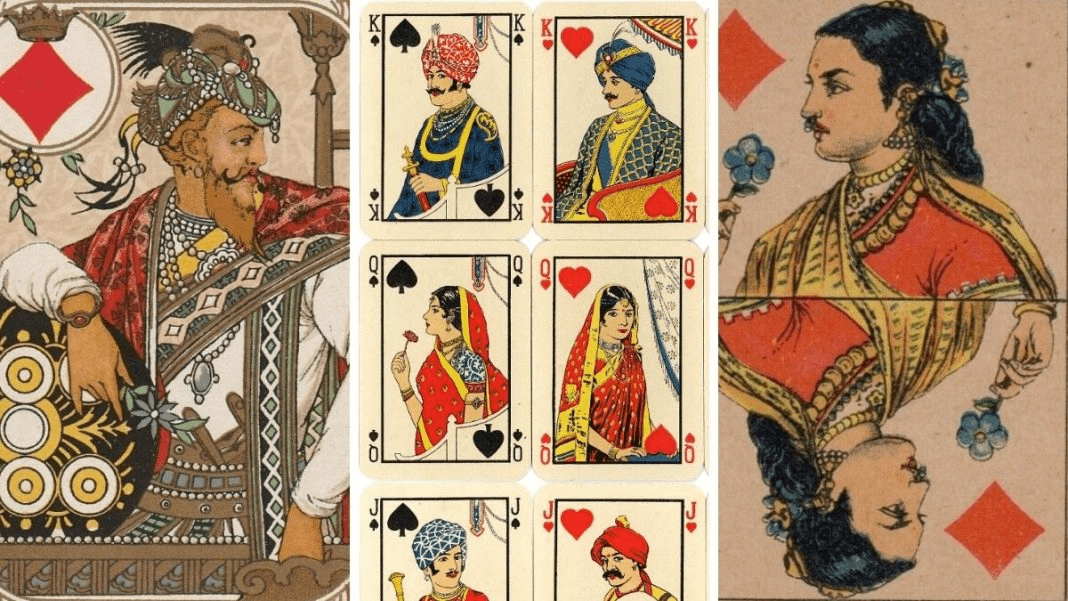
Historical evolution of gambling practices across Indian civilization

History of Gambling in India: Ancient Ritual to Regulated Industry

Origins of Gambling in Ancient India Long before modern casinos or online rummy apps, gambling in India was woven into the fabric of daily life, mythology, and statecraft. The history of gambling in India is both ancient and layered, with roots deep in the Vedic period. Mahabharata and the Dice Game The first iconic reference … Read more

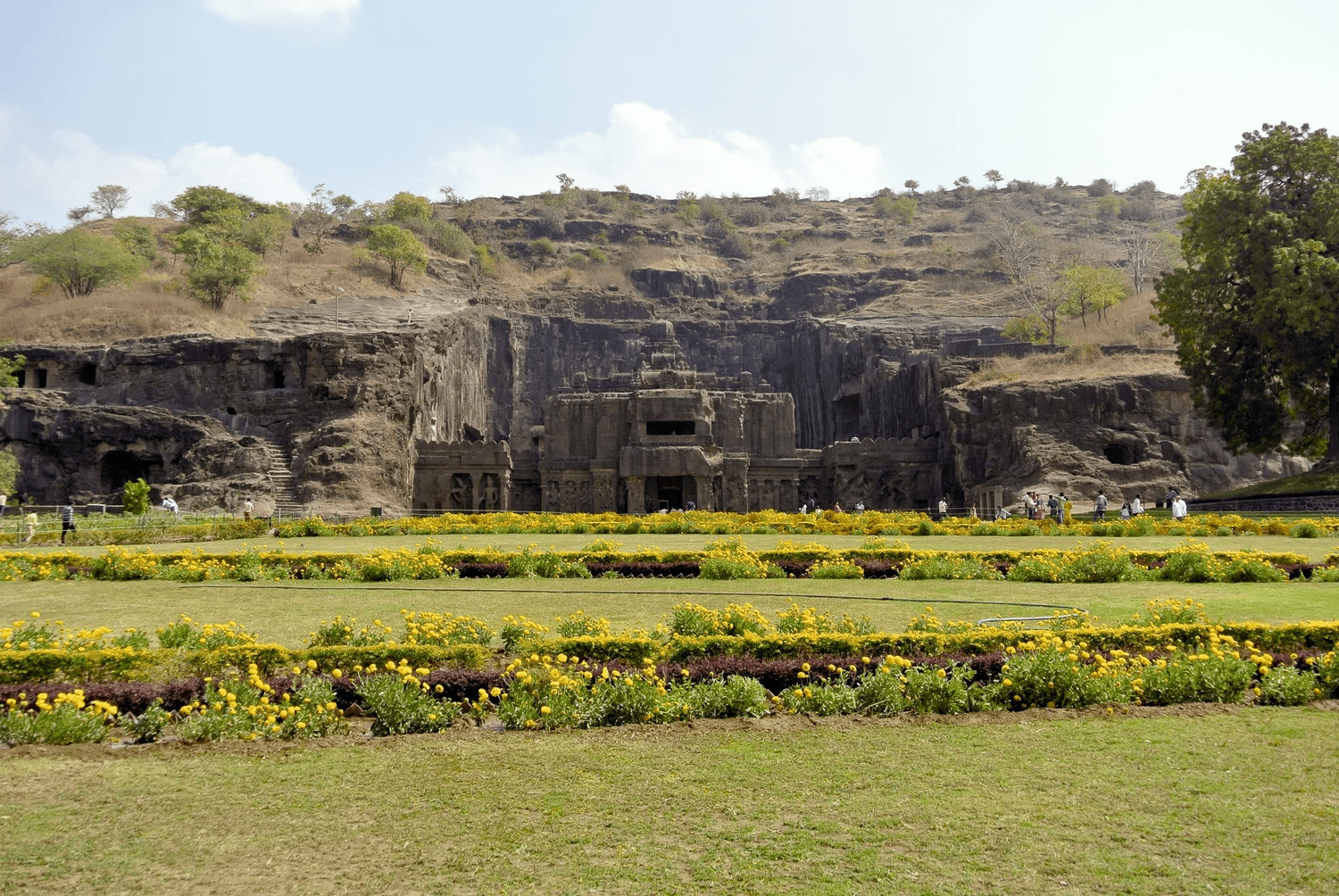
Ellora Caves entrance revealing monumental basalt cliff architecture

Unveiling the Majesty of Ellora Caves

Ellora Caves, nestled in Maharashtra, draw visitors from around the world with their stunning rock-cut architecture. Locally called Verul Leni or वेरुल लेनी, these caves sit about 30 kilometers from Aurangabad along the road to Chalisgaon. This massive complex stands as one of the largest monastic-temple sites carved from stone anywhere on the planet. What … Read more

Ajanta Caves landscape overlooking Waghora river in secluded Maharashtra valley

Ajanta Caves: History, Art, and Buddhist Legacy

Where the Ajanta Caves Are Located The ajanta caves are carved into a dramatic horseshoe-shaped cliff overlooking the Waghora river in present-day Maharashtra. For many Indian travelers, the first question is simple: अजंता की गुफा कहा है? The answer places them about 107 kilometers north of Aurangabad, near a small village that gave the caves … Read more

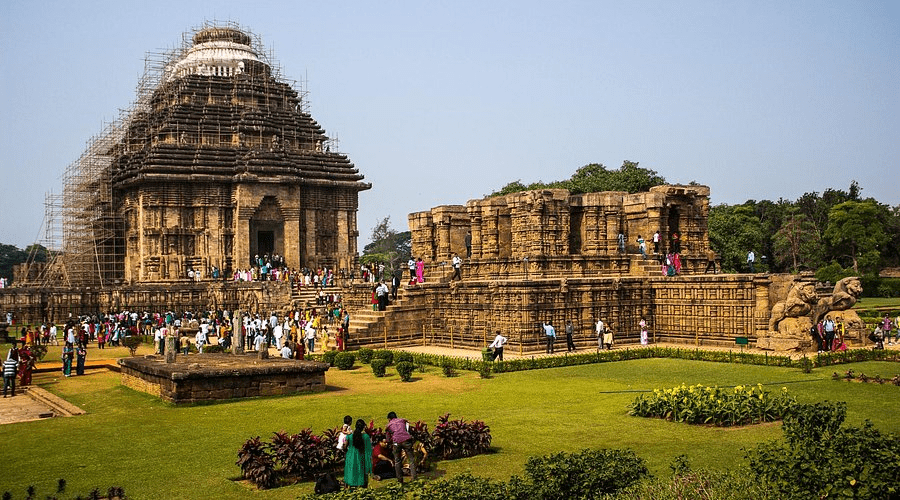
Panoramic view of Konark Sun Temple showcasing chariot-shaped Kalinga architecture and symbolism

Konark Sun Temple: History, Design, and Divine Craftsmanship

Introduction to the Konark Sun Temple The konark sun temple, known locally as कोणार्क सूर्य मंदिर, stands as a timeless testimony to India’s architectural brilliance and spiritual depth. Built in the 13th century by King Narasimhadeva I of the Eastern Ganga dynasty, this UNESCO World Heritage Site continues to amaze visitors with its symbolic layout, … Read more